



Making Older Homes Safer Without Major Renovation: Simple Accessibility Upgrades That Work

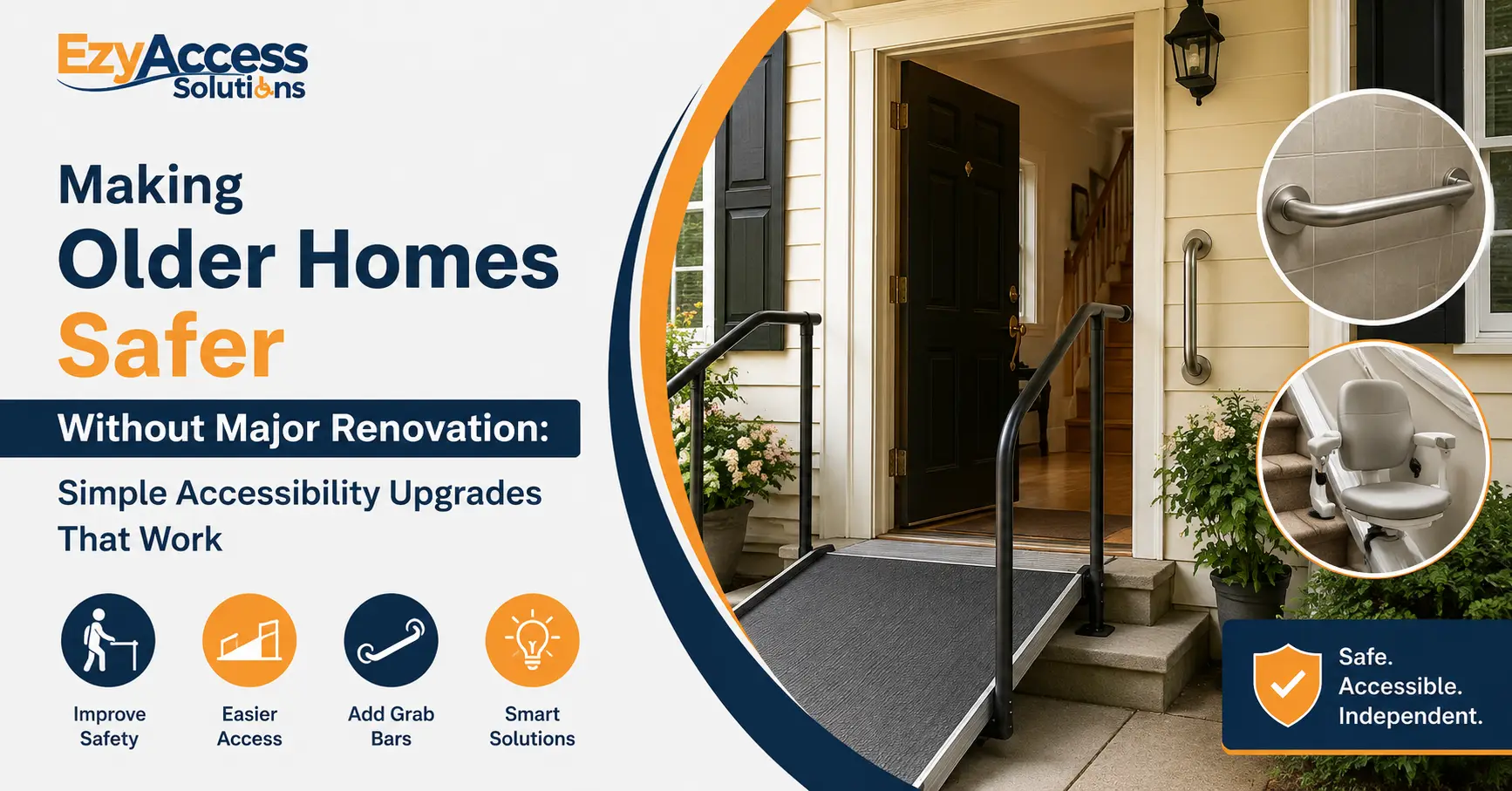
Older homes often have plenty of character. They may have wide verandahs, solid timber doors, established gardens and layouts that have served families for decades.
They can also hide everyday access problems.
A small step at the entrance, a slippery bathroom floor, a narrow doorway or an awkward transition between rooms may not seem serious at first. For an older person, someone recovering from surgery or a family member using a mobility aid, these details can make daily movement harder than it needs to be.
The good news is that improving safety does not always require a full renovation.
Many effective accessibility upgrades for residential homes can be added with minimal disruption. A well-chosen ramp, a safer shower base, better hand support or a clearer pathway can make a noticeable difference without rebuilding the house.
At Ezy Access Solutions, we believe accessibility should feel practical, comfortable and suited to real Australian homes. The goal is not to make a property look clinical. It is to help people continue using familiar spaces with greater confidence.
Why Older Homes Often Become Harder to Navigate
Many Australian homes were built before accessibility became a standard design consideration.
Doorways may have raised lips. Bathrooms may include step-in showers. Entrances may be reached by one or two stairs. Hallways can be narrow, and outdoor areas may have uneven paving or steep transitions.
These features are often manageable for years. Then circumstances change.
A person may experience:
- Reduced balance
- Lower leg strength
- Joint pain
- Vision changes
- Slower reaction times
- Difficulty lifting their feet
- Reduced grip
- Temporary mobility limitations
- Reliance on a walker, wheelchair or mobility scooter
The home has not changed, but the person’s relationship with the space has.
This is why families often begin looking for home accessibility solutions in Australia after a fall, a hospital stay or a noticeable decline in mobility. In many cases, however, it is better to make changes before an incident occurs.
Safety Problems Are Often Smaller Than People Expect
When people hear the words “accessible home”, they may picture a major renovation involving builders, demolition and weeks of disruption.
Sometimes structural work is necessary. Many common risks, however, can be addressed through smaller changes.
A doorway threshold can be bridged with a suitable ramp. A slippery shower can be improved with a safer base and support rails. Loose mats can be removed. Frequently used items can be moved to easier-to-reach locations.
These changes may appear simple, but they can influence how confidently a person moves throughout the day.
The best upgrades are often the ones that solve a repeated problem.
Think about how many times someone crosses the front door, enters the bathroom, steps into the shower or moves between the kitchen and living room. If the same obstacle causes hesitation every time, removing it can improve daily life immediately.
Start With the Entrance
The entrance is one of the most important areas to assess.
A person may need to cross it when attending appointments, collecting the mail, meeting visitors or simply sitting outside. When the entrance feels unsafe, leaving the home can become stressful.
Common entrance problems include:
- Single steps
- Raised door thresholds
- Uneven paving
- Loose gravel
- Slippery tiles
- Heavy doors
- Poor lighting
- Limited space for a walker or wheelchair
- No stable hand support
A threshold ramp or small access ramp may create a smoother transition over a low step. Where more height is involved, a longer modular or portable ramp may be more suitable.
The right product depends on the rise, available space, user and mobility equipment. A manual wheelchair, walking frame and mobility scooter each have different requirements.
Good access begins with accurate measurement rather than guesswork.
Use Threshold Ramps for Small Level Changes
Small doorway lips are easy to ignore because they do not look like full steps. They can still catch wheelchair castors, walking frames and unsteady feet.
Rubber threshold ramps are often useful for:
- Front doors
- Back doors
- Sliding door tracks
- Garage entrances
- Laundry doorways
- Patio access
- Internal flooring transitions
A properly matched ramp reduces the abrupt height change and gives wheels a more gradual path.
Dense rubber products can work well because they are stable, durable and suitable for repeated daily use. Their textured surface can also support grip around entrances where dirt or moisture may be present.
The ramp should sit closely against the threshold without rocking, shifting or leaving a gap where small wheels can catch.
Improve Bathroom Safety Without Rebuilding the Room
Bathrooms are among the highest-risk areas in the home.
Water, hard surfaces and confined spaces can make even a minor loss of balance dangerous. Older bathrooms may have high shower lips, slippery tiles and no suitable hand support.
Fortunately, several improvements can be made without removing the entire bathroom.
Add well-positioned grab rails
Grab rails can provide support when entering the shower, using the toilet or moving from sitting to standing.
Placement matters. A rail should be positioned for the person’s natural movement and grip, not simply installed where it looks convenient.
The wall structure must also be able to support the fitting securely.
Consider a safer shower base
A shower base with a low entry can reduce the need to step over a raised edge. Rubber shower bases may be suitable in some settings because they provide a softer, more stable surface and can be customised for different spaces.
The aim is to create an area that is easier to enter, easier to stand in and easier for carers to assist within.
Use a stable shower seat
A properly selected shower chair or seat can reduce fatigue and support people who cannot stand safely for long periods.
It should remain stable on the floor, fit comfortably within the shower and suit the user’s height and weight.
Remove loose bathroom mats
Loose mats can slide, bunch up or catch under a walking frame. If a mat is required, it should have a secure backing and lie completely flat.
Make Internal Doorways Easier to Cross
Room-to-room transitions can create repeated hazards.
Older homes may have timber strips, flooring changes or raised tracks between rooms. These can become frustrating for people using walkers or wheelchairs.
Low-profile ramps or transition products may help create a smoother pathway.
When assessing an internal doorway, check:
- The height difference between surfaces
- Whether the door still needs to close
- Available space on both sides
- The direction of travel
- The width needed for mobility equipment
- Whether the user approaches straight or at an angle
A product that is too steep or narrow may solve one issue while creating another. The upgrade should feel natural to use, not like an obstacle that has merely changed shape.
Improve Hand Support in Key Areas
People often reach for whatever is nearby when they feel unsteady. That might be a towel rail, bench, chair or door handle.
These items are not designed to support body weight.
Secure handrails and grab rails can provide more reliable assistance in areas such as:
- Beside entry steps
- Along short outdoor pathways
- Near the toilet
- Inside the shower
- Beside the bed
- Along narrow hallways
- Near changes in floor height
Support should be available where the person actually needs it.
Watching how someone moves through the home can reveal where they pause, reach out or rely on furniture. These moments often indicate where a proper support point would help.
Create Clearer Walking Paths
Accessibility is not only about equipment. The arrangement of the home also matters.
Furniture, cords, decorative items and loose rugs can reduce walking space. A layout that once felt comfortable may become difficult for someone using a wider walking frame.
Simple changes may include:
- Moving furniture away from main pathways
- Securing electrical cords
- Removing low tables from narrow areas
- Keeping hallways free of storage
- Replacing unstable chairs
- Removing rugs with raised edges
- Allowing more turning space near doors
- Keeping frequently used rooms easy to reach
These changes cost little but can reduce unnecessary manoeuvring.
A person using a mobility aid should not need to turn sideways, lift equipment or take an awkward route through the room.
Improve Lighting and Visibility
Poor lighting can make steps, edges and obstacles difficult to judge.
Older adults may need more light than younger people to see changes in floor level clearly. Glare and shadows can also affect depth perception.
Useful lighting improvements include:
- Brighter entrance lights
- Motion-activated lights near pathways
- Night lights between the bedroom and bathroom
- Task lighting in the kitchen
- Clear lighting above steps
- Light switches that are easy to reach
- Contrasting colours around changes in level
The aim is not simply to make the home brighter. It is to make important surfaces and edges easier to identify.
Make Outdoor Areas Easier to Use
Outdoor access can strongly affect independence and wellbeing.
A person may want to reach the garden, clothesline, letterbox, garage or outdoor seating area. Uneven surfaces can make these everyday activities difficult.
Common outdoor concerns include:
- Cracked concrete
- Loose gravel
- Moss or algae
- Steep paths
- Narrow gates
- Raised garden edging
- Poor drainage
- Unstable steps
- Lack of handrails
Small changes may include adding a portable ramp, improving grip, clearing overgrown pathways or creating a more stable route.
Outdoor access products should be selected with weather exposure in mind. Rain, heat and dirt can affect how a surface performs.
Focus on Mobility Access Solutions for Elderly at Home
There is no single product that suits every older person.
Effective mobility access solutions for elderly at home should reflect the individual’s daily habits, strength, balance and equipment.
For example, one person may walk independently but struggle with a single step. Another may use a walker indoors and a wheelchair outdoors. Someone else may need support only after surgery.
Before selecting an upgrade, consider:
- Which areas are used most often
- Where the person hesitates
- Whether assistance is usually available
- What mobility aid is used
- Whether the condition is temporary or ongoing
- How much space is available
- Whether the product will be indoors or outdoors
- Who else uses the area
The most useful solution is not always the largest or most expensive. It is the one that removes a real barrier safely.
Think About Carer Safety Too
Poor home access can place physical strain on family members and carers.
They may lift a walker over a doorway, pull a wheelchair backwards, support someone through a shower entrance or help them step over a threshold.
Repeated lifting and awkward handling can lead to back, shoulder and wrist strain.
Better access can reduce the need for these movements.
A suitable ramp, stable shower base or correctly positioned rail may allow the person to complete more of the movement independently. It can also make assistance safer when support is still needed.
Good home access protects everyone involved in the routine.
Avoid Temporary Fixes That Create New Hazards
Families often try to solve access problems quickly with materials already available.
A loose board may be used as a ramp. A towel rail may become a handhold. A chair may be placed beside the shower.
These solutions may feel practical at first, but they are not designed for the task.
Makeshift ramps can move, flex or create an unsuitable angle. Furniture may tip. Lightweight rails may pull away from the wall.
Accessibility products should be strong enough for the expected load and stable enough for repeated use.
A temporary-looking solution can also affect confidence. People move more cautiously when they do not trust the equipment supporting them.
Plan for Future Needs
A home that works today may become harder to use in a year or two. Making thoughtful changes early can reduce the need for rushed decisions later.
When choosing accessibility upgrades for residential homes, it can help to think beyond the immediate problem.
A wider ramp may suit a future wheelchair. A more stable bathroom setup may support both independent use and carer assistance. A clear pathway may accommodate a larger walking frame later.
This does not mean over-modifying the house. It means choosing flexible solutions where possible.
How Aged Care Home Access Solutions Support Ageing in Place
Many older Australians want to remain in their own homes for as long as possible.
Familiar surroundings, neighbours and routines can provide comfort and independence. The home, however, needs to remain practical as mobility changes.
Well-planned aged care home access solutions can help reduce everyday barriers without making the property feel unfamiliar.
These upgrades may support ageing in place by:
- Making entrances easier to use
- Reducing trip hazards
- Improving bathroom safety
- Supporting wheelchair and walker access
- Reducing reliance on carers
- Making outdoor areas more reachable
- Improving confidence around the home
The emotional benefit matters as much as the physical one. Being able to move independently can preserve dignity and help people feel more in control of their day.
Why Professional Product Advice Matters
Online product listings can make access equipment look simple. In reality, small details influence whether a solution works safely.
Ramp height, length, width, weight capacity and surface conditions all matter. A bathroom product needs to suit the room layout and the way assistance is provided.
Ezy Access Solutions helps customers consider these practical details before choosing a product.
Our approach is focused on real use. We look at the barrier, the person, the available space and the daily routine.
This helps families avoid buying products that are too steep, too narrow or unsuitable for the environment.
Small Upgrades Can Make a Big Difference
Making an older home safer does not always mean changing everything.
A threshold ramp can make the front door easier to cross. A grab rail can provide confidence in the bathroom. A safer shower base can reduce an awkward step. A clearer hallway can make room for a walking frame.
These are straightforward changes, but their effect is repeated every day.
The right home accessibility solutions in Australia can help people move with less hesitation, rely less on physical assistance and continue enjoying the home they know.
Ezy Access Solutions provides practical products for households seeking safer access without unnecessary disruption. Whether the concern is a doorway, bathroom, step or outdoor pathway, the first step is identifying the barrier that causes the most difficulty.
Once that barrier is addressed properly, the home can feel easier to use again.
Frequently Asked Questions
Common starting points include threshold ramps, grab rails, shower seating, improved lighting and clearer walking paths. The best first upgrade is usually the one that addresses the most frequently used or highest-risk area.
Yes. Many homes can be made safer using portable ramps, rubber threshold ramps, grab rails, low-entry shower products and furniture layout changes. Structural work may still be required for larger steps, narrow doorways or major bathroom alterations.
Measure the vertical rise, available ramp length and usable width. You should also consider the type of mobility equipment, user weight and surrounding surface. A ramp should never be selected based on height alone.
No. These upgrades can support older adults, people using walkers, individuals recovering from surgery, carers, parents with prams and anyone who finds steps or uneven surfaces difficult.
Start with areas used every day, particularly entrances, bathrooms and routes between the bedroom, kitchen and toilet. Any location where a person hesitates, reaches for support or needs assistance should be assessed.