



NDIS Home Modification Services in Australia: What Homeowners Should Know

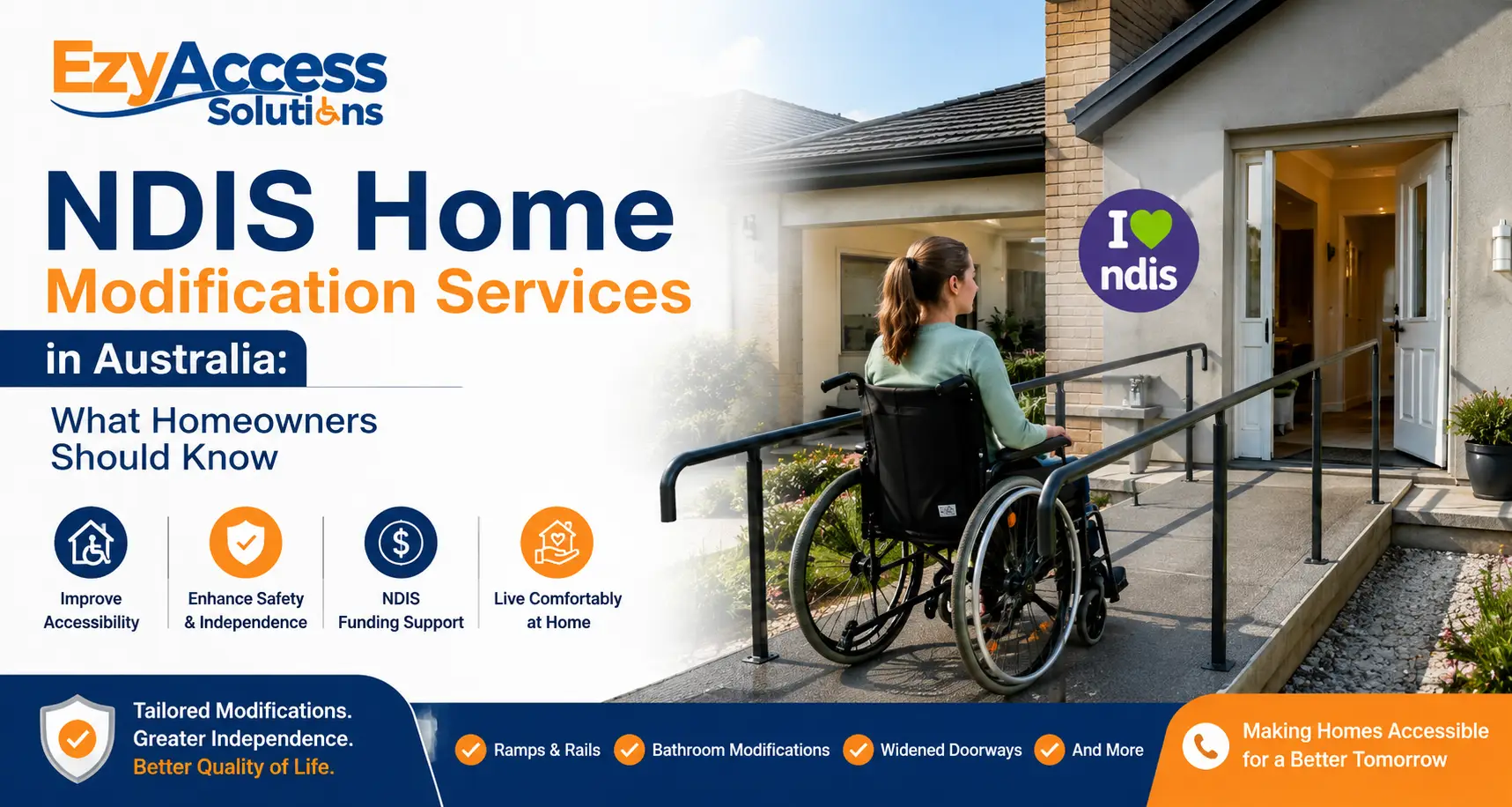
For many Australians living with mobility challenges, everyday tasks inside the home can slowly become frustrating, unsafe, and exhausting. A simple step at the front entrance, a narrow bathroom doorway, or a slippery shower floor can turn daily routines into difficult obstacles. That is where NDIS home modification services Australia are making a real difference.
More families are now investing in safer, smarter living spaces that allow participants to stay independent and comfortable at home for longer. Whether it is installing ramps, widening doorways, improving bathroom accessibility, or redesigning entry points, the right modifications can completely transform the way a person lives.
At Ezy Access Solutions, the focus is not just on construction. It is about creating practical spaces that restore confidence, improve mobility, and support a better quality of life.
In this guide, we will explain what homeowners should know about NDIS-funded modifications, what services are commonly approved, and how to choose the right provider for lasting results.
Understanding NDIS Home Modifications
Home modifications under the NDIS are changes made to a participant’s living environment to help them move safely and independently. These modifications are designed around individual needs and can range from minor adjustments to major structural upgrades.
The purpose is simple. The home should support the person living in it, not work against them.
Many Australian homes were not originally designed with accessibility in mind. High thresholds, steep stairs, small bathrooms, and uneven surfaces often create unnecessary barriers. Through custom NDIS home modifications, these issues can be corrected in ways that are both practical and visually appealing.
Common goals of home modifications include:
- Improving wheelchair accessibility
- Reducing fall risks
- Supporting carers and family members
- Allowing easier movement throughout the property
- Increasing independence in daily activities
- Creating safer bathroom and entrance areas
For many participants, these improvements are life-changing.
Who Can Access NDIS Home Modification Funding?
NDIS funding for home modifications is generally available to eligible participants whose disability impacts their ability to safely access or use their home.
The NDIS usually assesses:
- The participant’s mobility requirements
- Long-term functional needs
- Risks within the current home environment
- Whether modifications are considered reasonable and necessary
- Recommendations from occupational therapists or allied health professionals
Funding may cover minor, moderate, or complex modifications depending on the participant’s circumstances.
Many homeowners assume the process is difficult or only reserved for major disabilities. In reality, there are many situations where practical accessibility improvements can qualify for support.
The Most Common Home Modifications Approved by the NDIS
Every home and participant is different, but several modifications are frequently requested across Australia.
Wheelchair Ramps and Threshold Solutions
Access to the home is often the first challenge people face. Uneven entrances, steps, and raised thresholds can limit mobility and create safety risks.
Professionally designed ramps and threshold solutions provide smooth and reliable access for wheelchairs, walkers, and mobility aids.
This is one reason many families search for disability access solutions for homes that blend functionality with modern design.
Bathroom Accessibility Upgrades
Bathrooms are one of the highest-risk areas in any home. Slippery surfaces and tight spaces can quickly become dangerous.
Common modifications include:
- Roll-in showers
- Grab rails
- Non-slip flooring
- Shower seating
- Wider bathroom access
- Accessible vanities
These changes help improve both safety and independence.
Doorway Widening
Standard doorways are often too narrow for wheelchairs or mobility devices. Widening entrances can significantly improve movement throughout the home.
Handrails and Support Rails
Support rails provide extra stability in key areas such as hallways, bathrooms, staircases, and outdoor paths.
Stair Access Solutions
Some homes require stair lifts or alternative access systems to help participants safely navigate multiple levels.
Kitchen Accessibility Improvements
Modified kitchen layouts can make cooking and meal preparation far more manageable for participants with mobility restrictions.
Why Professional Planning Matters
One of the biggest mistakes homeowners make is choosing temporary or poorly designed accessibility products that fail within a short period.
NDIS-funded modifications should always be tailored to the participant’s long-term needs. A rushed installation or generic solution can create further complications later.
Professional planning ensures:
- Compliance with Australian accessibility standards
- Safe and durable installation
- Better functionality
- Long-term value
- Reduced maintenance issues
At Ezy Access Solutions, projects are approached with careful planning from the beginning. The goal is to create accessibility solutions that feel natural within the home rather than appearing clinical or intrusive.
The Growing Demand for Customised Accessibility Solutions
Australian homeowners are increasingly moving away from one-size-fits-all modifications.
Modern families want homes that remain stylish while still supporting accessibility needs. That is why demand for custom NDIS home modifications continues to grow.
Personalised modifications offer several advantages:
- Better use of available space
- Improved comfort
- Seamless integration with the home’s design
- Higher property functionality
- Better long-term outcomes for participants
For example, a custom-built threshold ramp designed specifically for the home entrance often performs far better than a generic portable ramp.
The same applies to bathrooms, rail systems, and access pathways.
Why Accessibility Is Becoming More Important in Australian Homes
Australia’s ageing population and growing awareness of inclusive living have significantly increased the demand for accessible housing.
More homeowners are planning ahead and investing in accessibility upgrades before mobility issues become severe.
This trend is especially noticeable among families seeking custom home access modifications for elderly, individuals recovering from injuries, and households supporting people with disabilities.
Accessibility improvements are no longer viewed as purely medical upgrades. They are becoming practical home investments that improve safety, comfort, and long-term liveability.
What Makes a Good NDIS Home Modification Provider?
Choosing the right provider can make the difference between a stressful experience and a smooth transformation.
Not every contractor understands accessibility requirements or NDIS expectations. Homeowners should look for providers with experience in disability-focused projects and compliance standards.
Here are some qualities that matter:
Experience With Accessibility Projects
Accessibility modifications require specialised knowledge. Providers should understand wheelchair clearances, safety regulations, and participant-specific requirements.
Strong Communication
Good providers work closely with participants, carers, occupational therapists, and families throughout the process.
Custom Solutions
Avoid companies that push generic products without properly assessing the home.
Quality Materials
Durable materials improve safety and reduce ongoing repair costs.
Australian Compliance Standards
Modifications should meet all required Australian standards and accessibility guidelines.
At Ezy Access Solutions, the approach centres around practical outcomes, personalised service, and long-lasting workmanship tailored to real everyday living.
The Emotional Impact of Home Accessibility
Many conversations around accessibility focus only on physical safety. But the emotional benefits are just as important.
The ability to move independently through your own home can restore confidence, dignity, and peace of mind.
For families and carers, modifications also reduce stress and physical strain.
Something as simple as a safer bathroom entry or smoother doorway transition can dramatically improve daily routines.
Many participants describe home modifications as giving them a sense of freedom again.
That emotional impact should never be underestimated.
Common Mistakes Homeowners Should Avoid
Choosing Cheap Temporary Solutions
Budget products may seem appealing initially but often fail to deliver proper long-term support.
Ignoring Future Needs
Accessibility needs can change over time. Planning ahead can prevent costly upgrades later.
Hiring Inexperienced Contractors
General builders may not fully understand accessibility compliance or mobility requirements.
Overlooking Outdoor Accessibility
Pathways, entrances, and outdoor surfaces are just as important as interior modifications.
Delaying Necessary Changes
Waiting too long to improve accessibility can increase fall risks and reduce independence.
How Ezy Access Solutions Supports Australian Homeowners
Accessibility is not simply about installing equipment. It is about helping people live more comfortably and confidently.
At Ezy Access Solutions, every project is approached with a focus on safety, functionality, and personalised design.
The team works with homeowners, participants, and support professionals to deliver tailored accessibility solutions that suit both practical needs and lifestyle preferences.
Services may include:
- Threshold ramps
- Entry access systems
- Handrails and grab rails
- Wheelchair accessibility improvements
- Bathroom access solutions
- Pathway modifications
- Tailored access upgrades
Every home presents unique challenges, which is why customised planning remains essential.
Final Thoughts
Creating an accessible home is one of the most valuable investments a family can make. The right modifications improve independence, reduce risks, and create a more comfortable environment for everyday living.
As demand for NDIS home modification services Australia continues to rise, homeowners are becoming more aware of the importance of high-quality, tailored accessibility upgrades.
Whether you are planning small improvements or major accessibility changes, choosing experienced professionals matters.
Thoughtfully designed disability access solutions for homes can completely reshape how people experience daily life. With the right support and planning, homes can become safer, more practical, and far more empowering for everyone involved.
For Australian families looking for reliable accessibility expertise, Ezy Access Solutions continues to provide practical, personalised solutions designed around real mobility needs and long-term comfort.
FAQs
NDIS home modifications are changes made to a participant’s home to improve safety, accessibility, and independence based on their disability-related needs.
Yes, the NDIS may fund wheelchair ramps if they are considered reasonable and necessary for safe home access.
Common modifications include ramps, grab rails, bathroom upgrades, doorway widening, and pathway improvements.
Yes, many providers offer custom solutions tailored to the participant’s mobility requirements and home layout.
Specialist providers understand Australian accessibility standards, participant needs, and how to create safer long-term solutions for disability access.