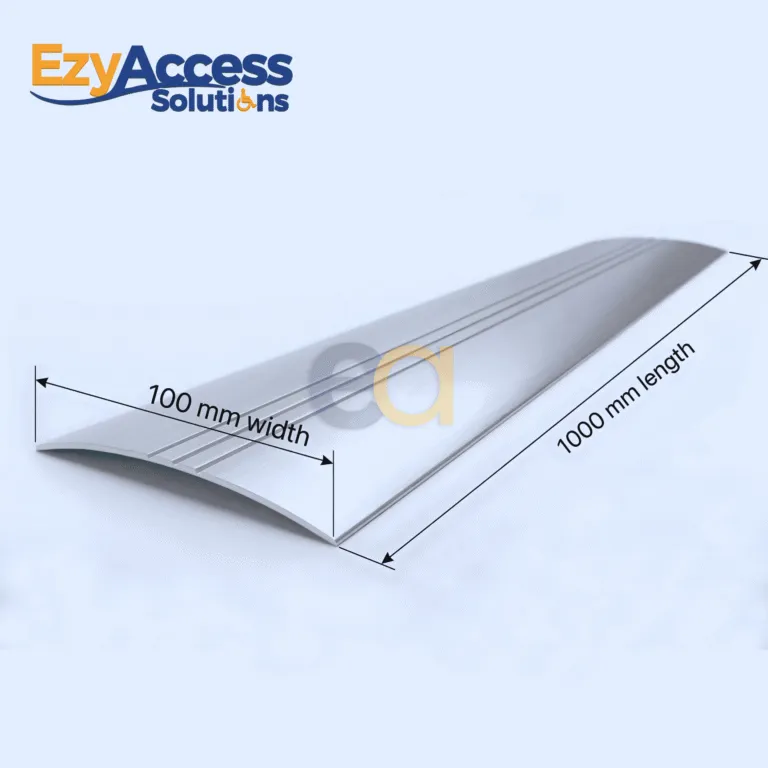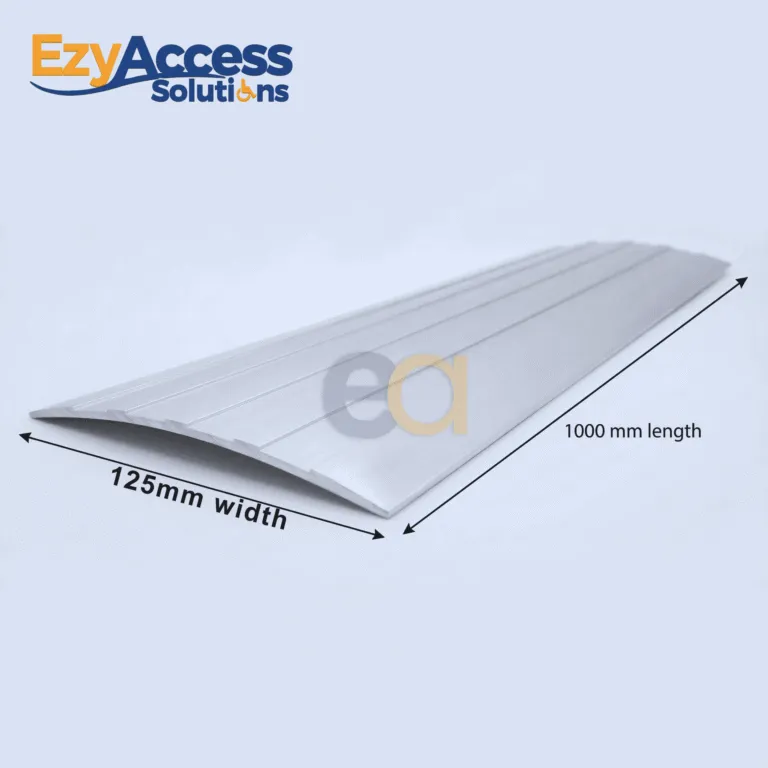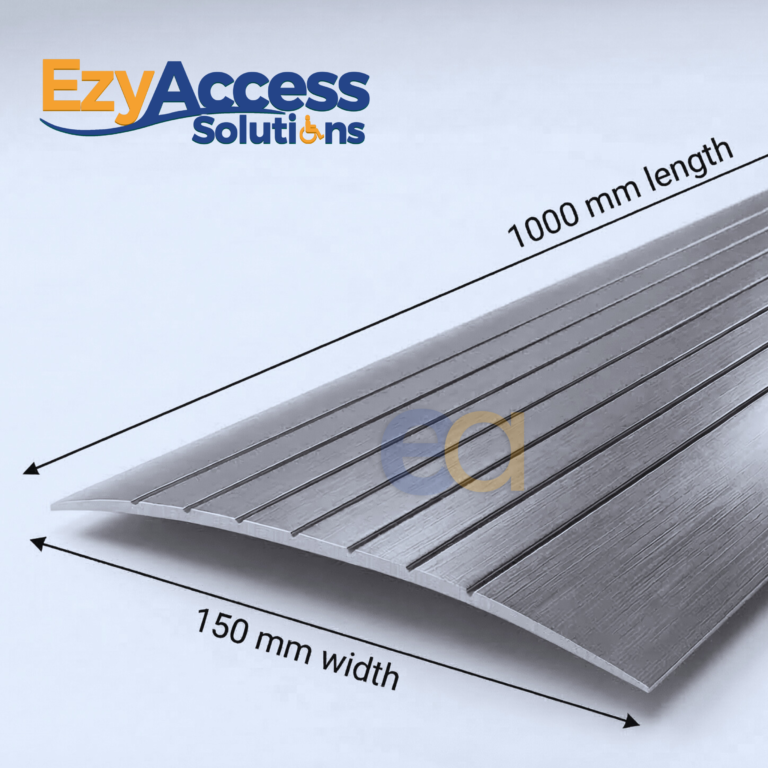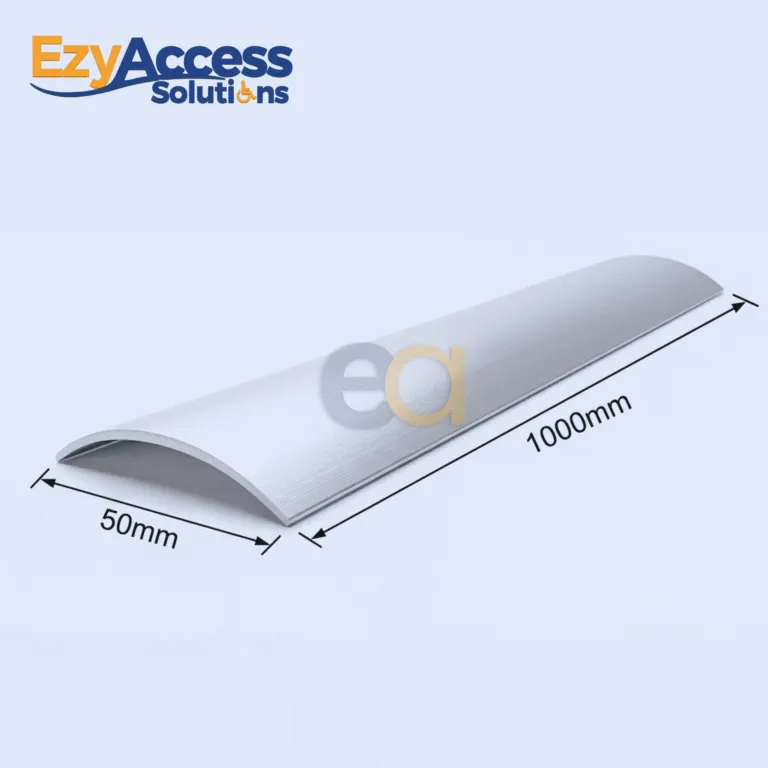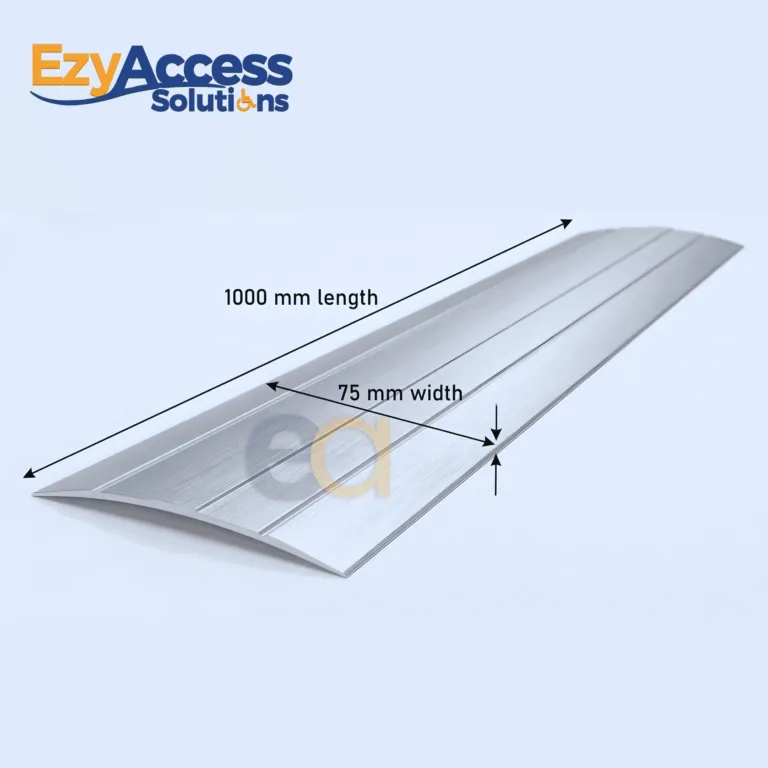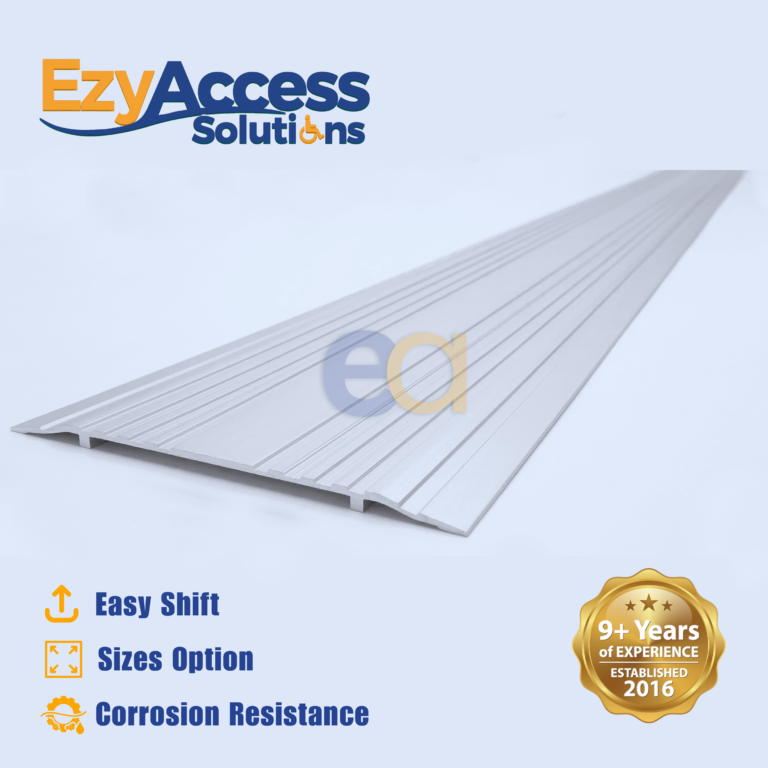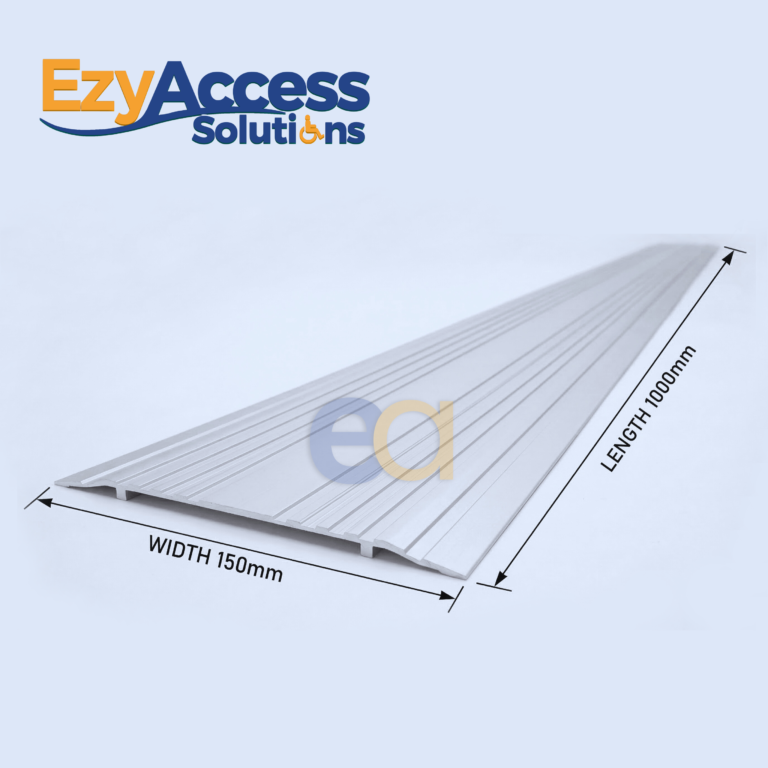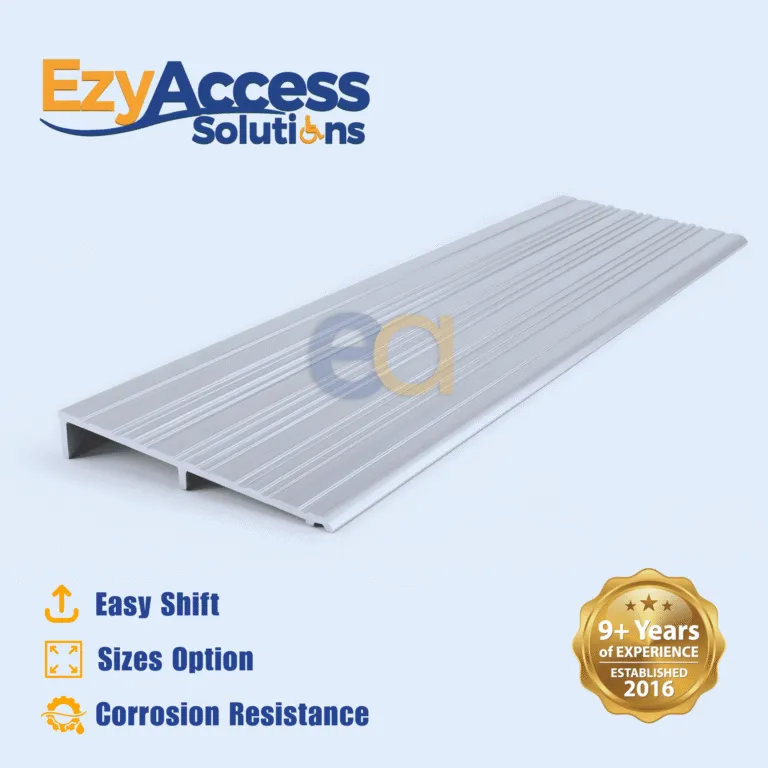
aluminium cover strips, Ramp, Wheelchair

Wheelchair Access Solutions for Sliding Doors – A Complete Guide

Wheelchair Access Solutions for Sliding Doors - A Complete Guide
Sliding glass doors are a popular architectural feature in modern homes, offering aesthetic appeal and seamless indoor-outdoor transitions. However, they present a significant accessibility challenge that's often overlooked: the raised threshold.

For wheelchair users, people with mobility aids, or those with reduced mobility, a raised sliding door threshold can create an unexpected barrier that turns what appears to be an open, accessible space into an inaccessible one. Understanding the challenges and available solutions is essential for creating truly accessible homes and facilities.

This comprehensive guide explores wheelchair access solutions for sliding doors, from understanding the challenges to implementing effective ramp solutions.
Why Sliding Door Thresholds Are Problematic
**For wheelchair users:**
- The threshold can be too high to roll over smoothly
- Requires excessive force or assistance to navigate
- May cause the wheelchair to tip or become unstable
- Makes independent access impossible

**For people with walking aids:**
- Canes, walking frames and crutches can catch on the threshold
- Increased fall risk when stepping over an unexpected step
- Requires lifting feet higher than usual, affecting balance
- Creates psychological barriers even if physically passable

**For people with reduced mobility:**
- Even a small step requires significant effort
- Doubles or triples the energy required for entry
- Accumulates fatigue over multiple daily entries and exits
- May require assistance from family members

**For elderly people:**
- Raised thresholds are a leading cause of trips and falls
- Reduced visual perception may make the threshold less visible
- Increased risk of serious injury from falls

### Standard Threshold Heights

Most sliding doors have thresholds in these ranges:

- **Standard residential**: 12-25mm above floor level
- **Commercial sliding doors**: 6-12mm (often lower than residential)
- **Older installations**: Sometimes 50mm or higher
- **Custom doors**: Can vary significantly

The challenge is that even small height differences create significant barriers for wheelchair users and people with reduced mobility.
Most sliding glass doors feature a raised threshold—typically 20-50mm above the floor level—designed to prevent water infiltration during rain. While this serves a practical purpose, it creates significant accessibility barriers.
Wheelchair Access Solutions for Sliding Doors

Several effective solutions exist for creating wheelchair-accessible sliding door entries. The best choice depends on your specific situation, budget and aesthetic preferences.

### 1. Threshold Ramps: The Most Effective Solution

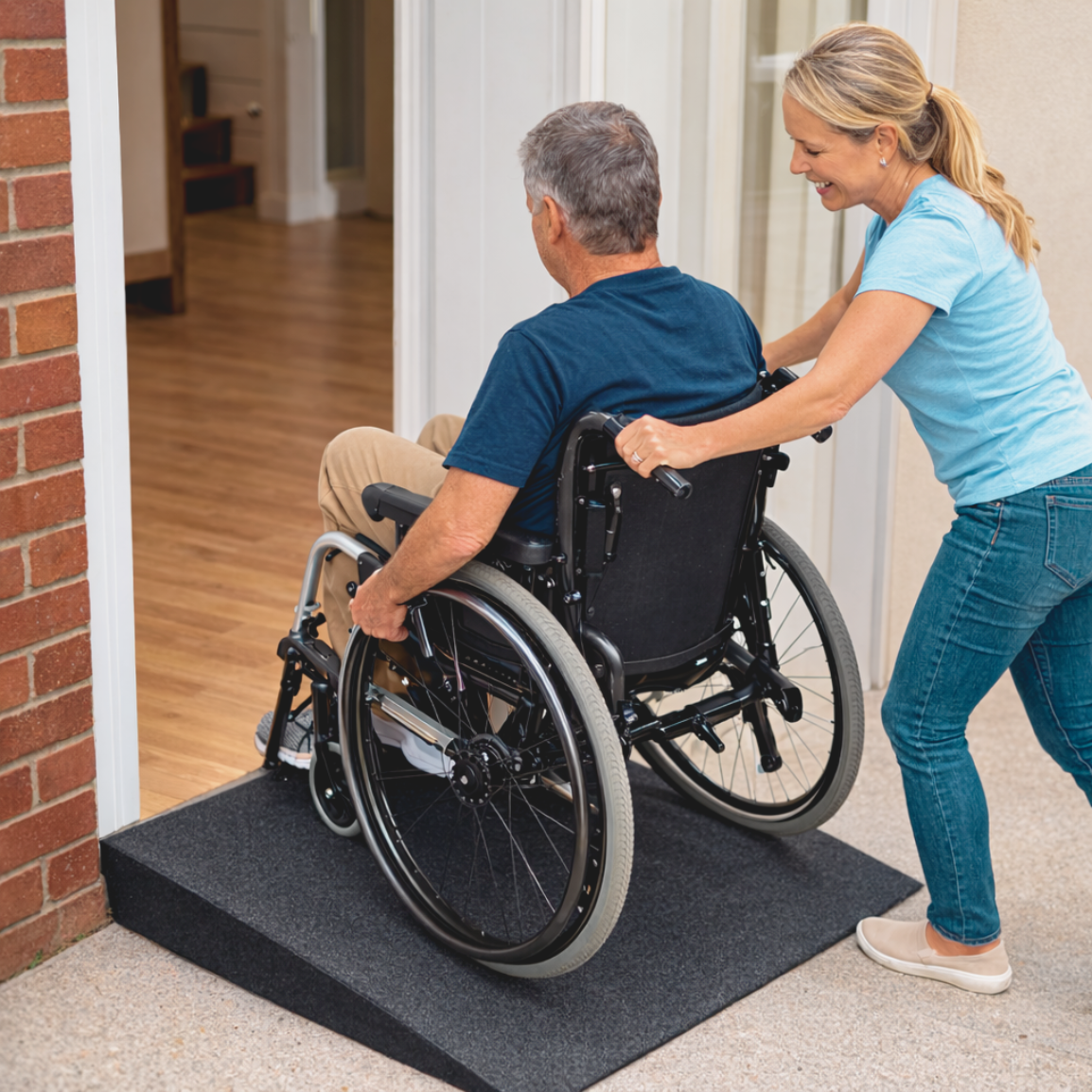
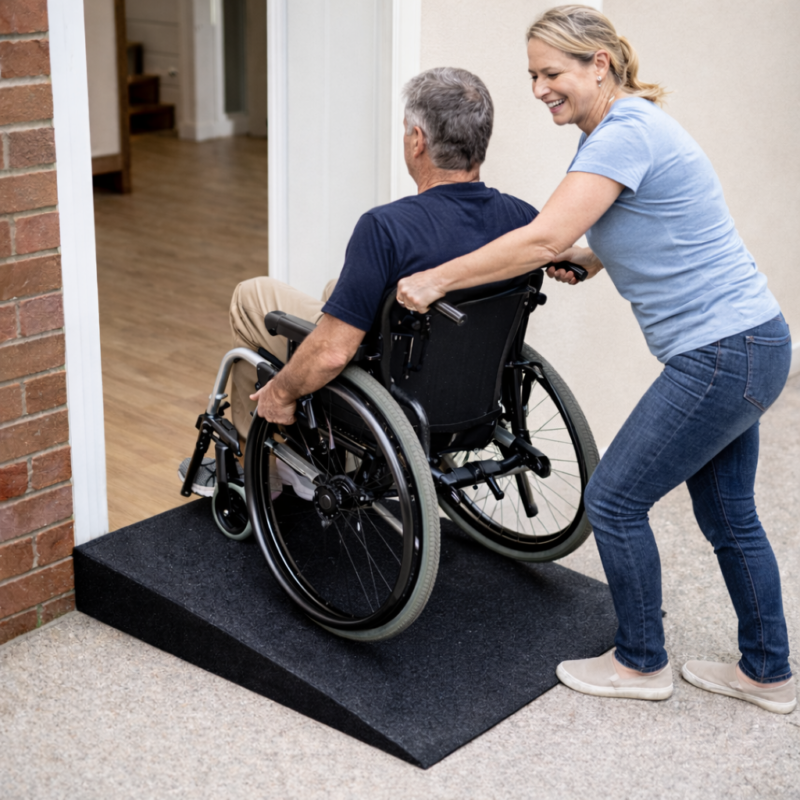
A threshold ramp is a sloping surface that bridges the height gap between the floor and the raised threshold, creating a smooth, gradual transition rather than an abrupt step.

**How Threshold Ramps Work:**

Threshold ramps gradually slope from floor level to the height of the threshold over a short distance. For example, a 25mm threshold typically requires a ramp running approximately 500-600mm to achieve a safe slope gradient.

**Advantages:**

- **Accessibility**: Creates a smooth transition that wheelchairs can navigate independently
- **Universal design**: Benefit not just wheelchair users, but anyone with a mobility aid or reduced mobility
- **Non-invasive**: Can be installed without structural modifications
- **Portable**: Unlike permanent solutions, ramps can be repositioned or removed
- **No approvals needed**: Portable ramps typically don't require council permission
- **Cost-effective**: Significantly less expensive than removing or replacing the door threshold

**Ramp Slope Considerations:**

Safe ramp slopes are crucial for accessibility. Building codes typically recommend:

- **Standard slope**: 1 in 12 ratio (approximately 8.3 degrees)
- **Minimum slope**: 1 in 8 ratio for short distances (approximately 7 degrees)
- **Maximum slope**: 1 in 6 ratio (approximately 9.5 degrees) only for very short transitions

For a 25mm threshold:
- At 1:12 ratio: ramp length needed is approximately 300mm
- At 1:8 ratio: ramp length needed is approximately 200mm

The gentler the slope, the easier it is for wheelchair users to navigate independently without excessive effort.

### 2. Bevelled or Modified Thresholds

Some sliding door systems offer alternative threshold designs that reduce the height differential.

**Bevelled thresholds:**
- One or both edges are angled downward
- Creates a smoother transition than a standard threshold
- Still typically requires supplementary ramp for full accessibility
- May be an option during door replacement or renovation

**Ultra-low thresholds:**
- Modern door systems available with thresholds as low as 3-6mm
- More expensive than standard doors
- May be appropriate for complete door replacement
- Reduces the need for supplementary ramps

### 3. Temporary vs. Permanent Solutions

**Temporary ramps:**
- Portable threshold ramps can be placed at the door entry when needed
- Can be removed for aesthetic or security reasons
- Ideal for rental properties or temporary accessibility needs
- Quick installation with no structural work required

**Permanent ramps:**
- Fixed installations that become part of the entry
- Can be fabricated from various materials (concrete, timber, recycled rubber)
- May require council approval (depending on design and materials)
- Better for long-term accessibility solutions

## Recycled Rubber Ramps for Sliding Door Access

Recycled rubber threshold ramps offer exceptional advantages for creating wheelchair-accessible sliding door entries.
Why Recycled Rubber Is Ideal for Sliding Doors
*Superior slip resistance:**
- Critical factor for wet sliding door areas exposed to weather
- Textured surface maintains grip even when wet
- Prevents accidents and builds confidence for users

**All-weather performance:**
- Won't rot, warp or deteriorate like timber
- Won't become slippery like concrete in wet conditions
- Maintains performance year-round in Melbourne's variable climate
- UV-resistant for outdoor installations

**Portability:**
- Lightweight compared to concrete alternatives
- Can be positioned and repositioned easily
- Doesn't require permanent installation

**Aesthetic versatility:**
- Manufactured to blend with modern and traditional homes
- Available in various finishes
- Professional appearance without looking utilitarian

**Custom sizing:**
- Manufactured to precise measurements for your specific threshold
- Ensures optimal slope gradient and perfect fit
- Accommodates various threshold heights

**Environmental responsibility:**
- Made from recycled tyres, diverting waste from landfills
- Reduces carbon footprint compared to new materials
- Supports circular economy principles
Measuring Your Sliding Door for Ramp Solutions
Before selecting a ramp, accurate measurements are essential.

### Required Measurements

**Threshold height:**
1. Use a level across the floor surface
2. Measure the vertical distance from floor to the top of the threshold
3. Record in millimetres for accuracy
4. Measure at multiple points if the threshold isn't perfectly level

**Doorway width:**
1. Measure the clear opening width (between door frames)
2. Ramps should extend fully across the doorway width
3. Record measurement in millimetres

**Available space:**
1. Measure the horizontal distance available for the ramp outside the door
2. Consider foot traffic patterns and other entry features
3. Longer ramps require more horizontal space but provide easier access

**Door swing direction:**
1. Note which direction the sliding door opens
2. Ensure the ramp location doesn't interfere with door operation
3. Confirm the ramp won't obstruct the door's full opening range
Slope Calculation

Once you have the threshold height and available space, calculate the slope:

Slope ratio = Horizontal distance ÷ Vertical height

Example calculations:
- 25mm threshold with 300mm available space = 1:12 slope (ideal)
- 25mm threshold with 200mm available space = 1:8 slope (acceptable for short distance)
- 50mm threshold with 600mm available space = 1:12 slope (ideal)

## Installation Considerations for Sliding Door Ramps

### Surface Preparation

**Before installation:**
1. Clean the area thoroughly, removing debris and algae
2. Ensure the floor surface is level and stable
3. Repair any uneven concrete or damage
4. Allow concrete to cure fully if recently installed

### Positioning and Alignment

1. Position the ramp perpendicular to the door opening
2. Ensure the ramp is centred across the doorway width
3. Verify the ramp doesn't interfere with door operation
4. Check that the ramp aligns flush with floor and threshold surfaces

### Weather Protection

1. Consider drainage around the ramp
2. Ensure water doesn't pool at the entry
3. Position the ramp to shed water away from the door frame
4. Verify the ramp doesn't trap water or create puddles

### Integration with Door Operation

1. Confirm the ramp doesn't obstruct the door's full opening range
2. Verify the sliding door operates smoothly without catching on the ramp
3. Check that the door can be fully closed without obstruction
4. Test the complete access scenario before final positioning

## Accessibility Standards and Guidelines

### Australian Accessibility Standards

In Australia, disability access is guided by:

- **Disability Discrimination Act (1992)**: Legal requirement to provide reasonable adjustments for people with disabilities
- **Australian Standards AS 1428.1**: Design for access and mobility (provides detailed accessibility requirements)
- **Building Code of Australia**: Accessibility provisions for building design and construction

Whilst these standards apply primarily to commercial buildings, residential properties benefit from implementing similar principles to ensure accessibility for residents and visitors with disabilities.

### Ramp Specifications for Sliding Doors

Safe sliding door ramps should meet these specifications:

- **Maximum slope**: 1:8 ratio for short distances (up to approximately 300mm)
- **Surface**: Non-slip material with minimum friction rating
- **Width**: At least as wide as the door opening (minimum 750mm for standard doors)
- **Handrails**: Not typically required for short ramps under 1 metre, but beneficial
- **Landing area**: Level platform at top and bottom for safe transitions

## Cost Considerations and Budget Planning

Threshold ramp costs vary significantly based on materials and customisation:

**Temporary recycled rubber ramps:**
- Entry-level options: $200-$400
- Custom-fitted solutions: $400-$800

**Permanent solutions:**
- Concrete ramps: $500-$1,500
- Timber ramps: $300-$1,200
- Custom recycled rubber ramps: $400-$1,200

**Door replacement (ultra-low threshold doors):**
- Retrofit: $1,500-$3,500
- New installation: $2,000-$5,000+

For most situations, a custom threshold ramp provides the best balance of cost-effectiveness, accessibility and performance.

## Conclusion

Wheelchair access to sliding doors is achievable through properly designed and installed threshold ramps. The challenge of raised thresholds can be elegantly solved, transforming an accessibility barrier into a smooth, seamless transition.

Recycled rubber threshold ramps offer the ideal solution for Melbourne homes—providing superior grip in our variable weather, durable long-term performance, and the environmental benefits of using recycled materials. Whether you're modifying your own home or ensuring a property is accessible for visitors or tenants with disabilities, a well-designed threshold ramp makes an enormous difference.

EZY Access Solutions manufactures custom recycled rubber threshold ramps specifically designed for sliding door applications. Our expert team can take your measurements, recommend the optimal slope gradient, and fabricate a ramp that perfectly fits your entry whilst meeting accessibility standards.

Leave a Reply

Your email address will not be published. Required fields are marked *