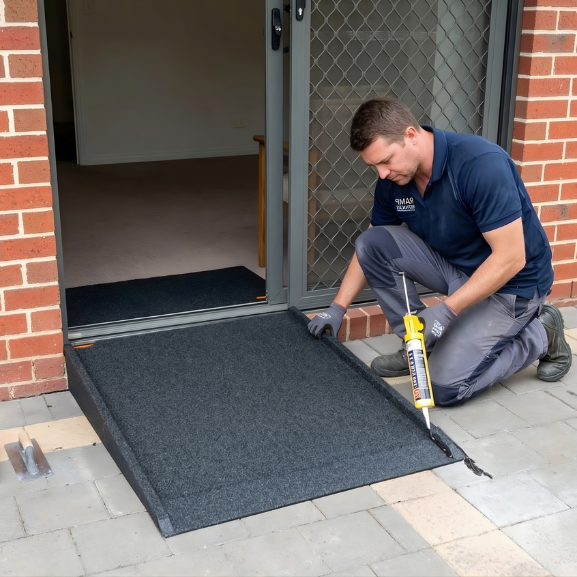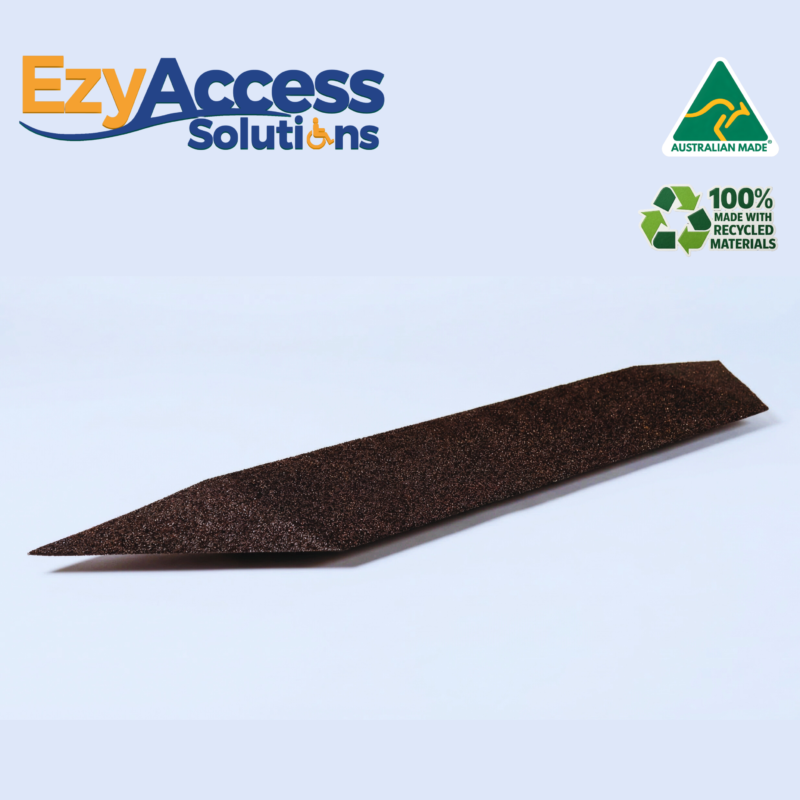
Rubber Ramps vs Aluminium Ramps: Which is Right for You?


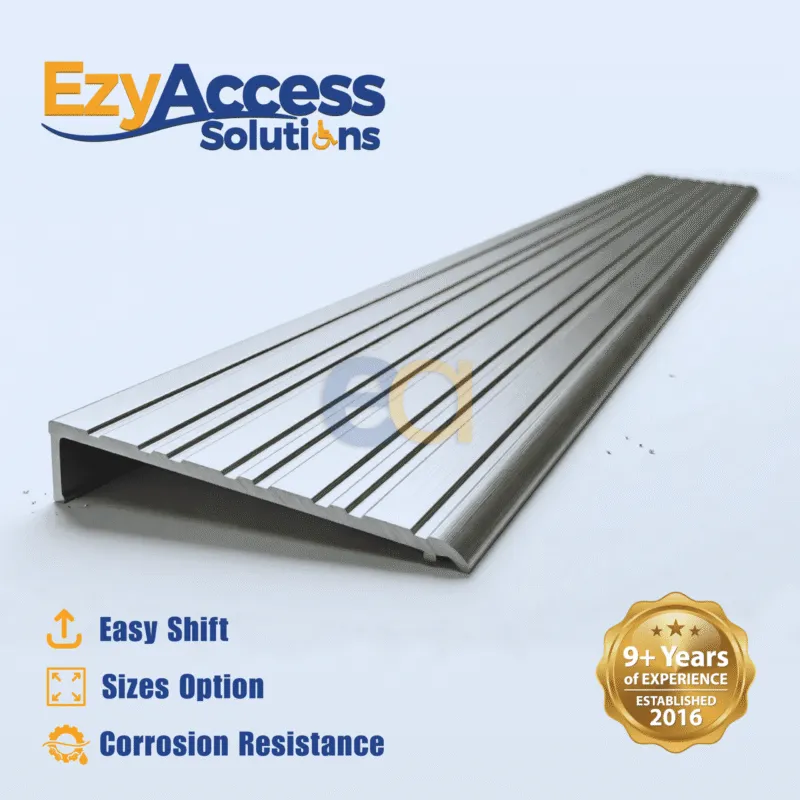
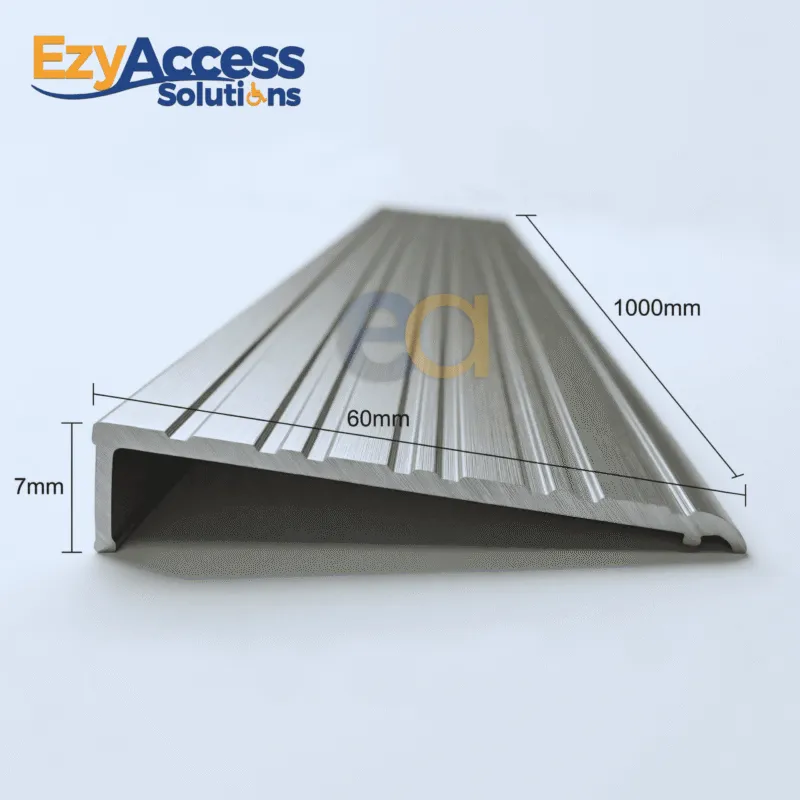
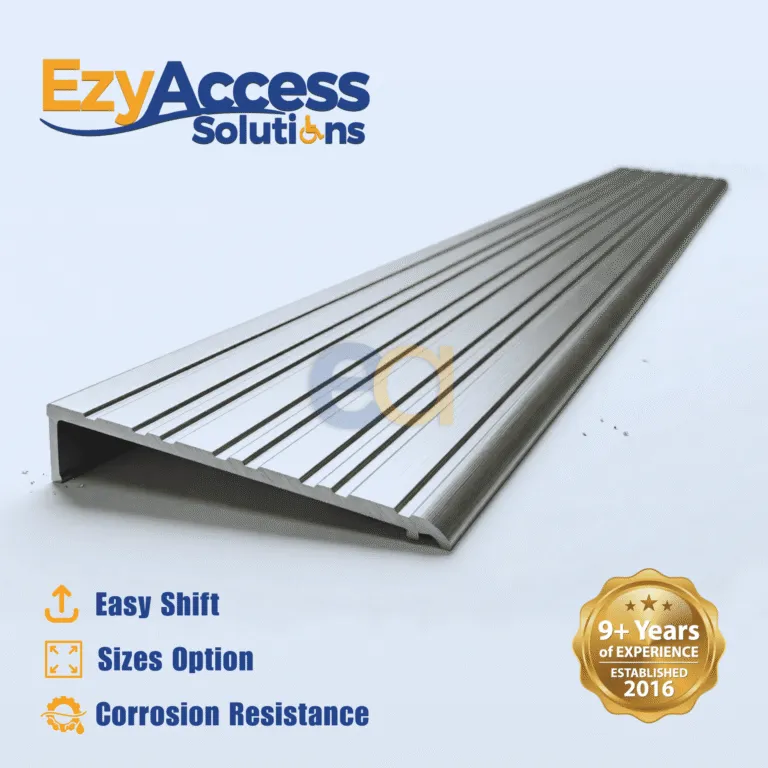
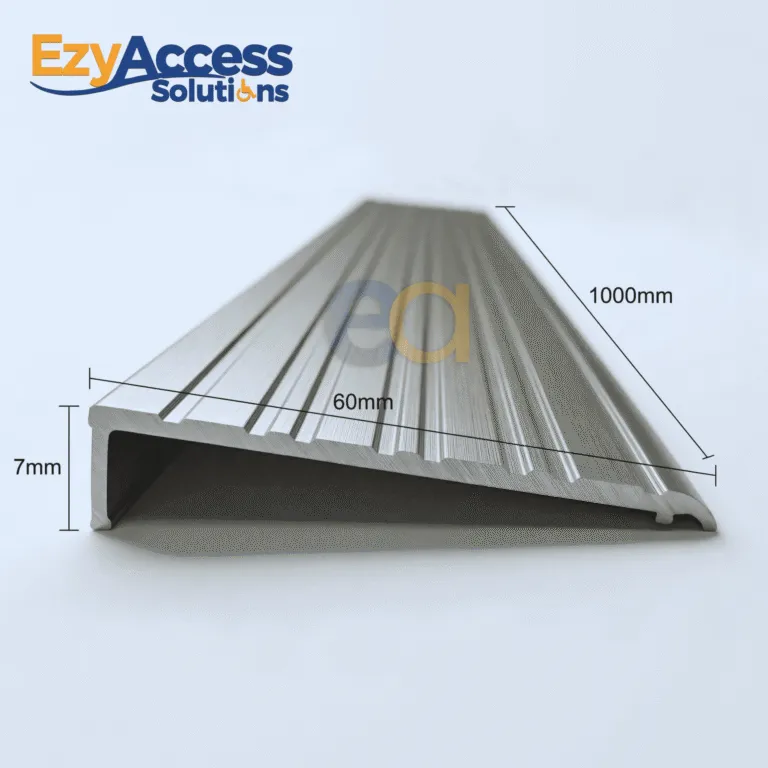
7 mm Aluminium Ramp
 in Stock, Australia Wide Shipping
• Slip-Resistant Surface – Provides added safety and stability
• Weather & Corrosion Resistant – Suitable for indoor and outdoor use
• Easy Installation – Can be installed quickly for immediate access
• Versatile Use – Perfect for homes, offices, shops, and public buildings
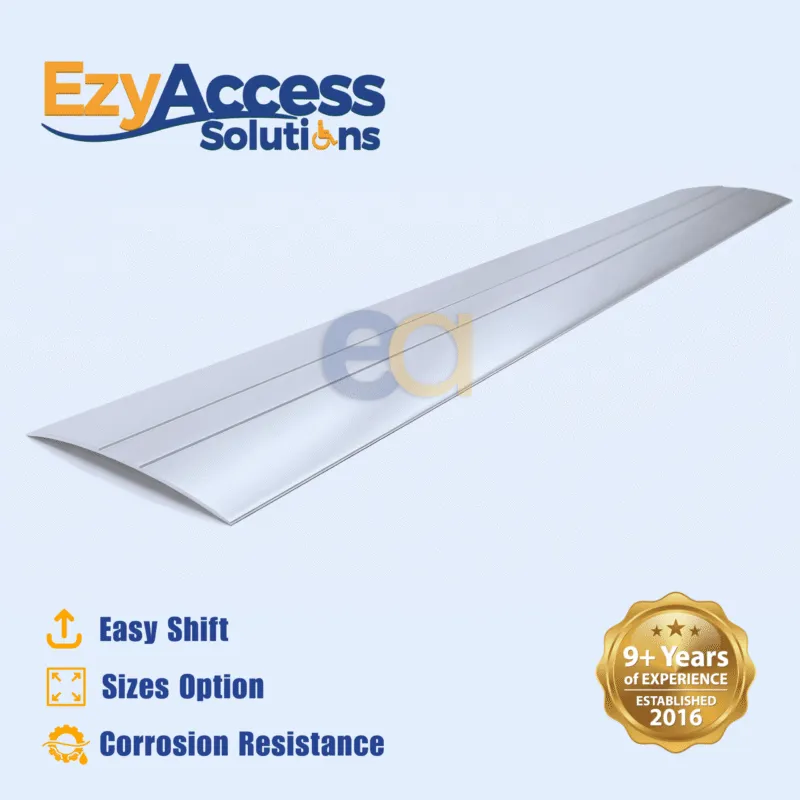
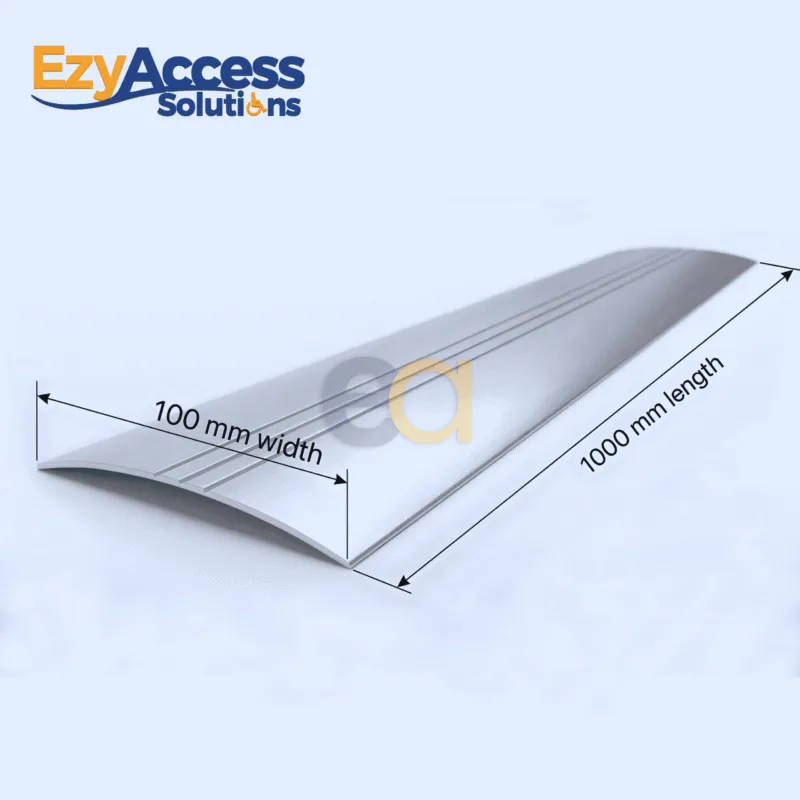
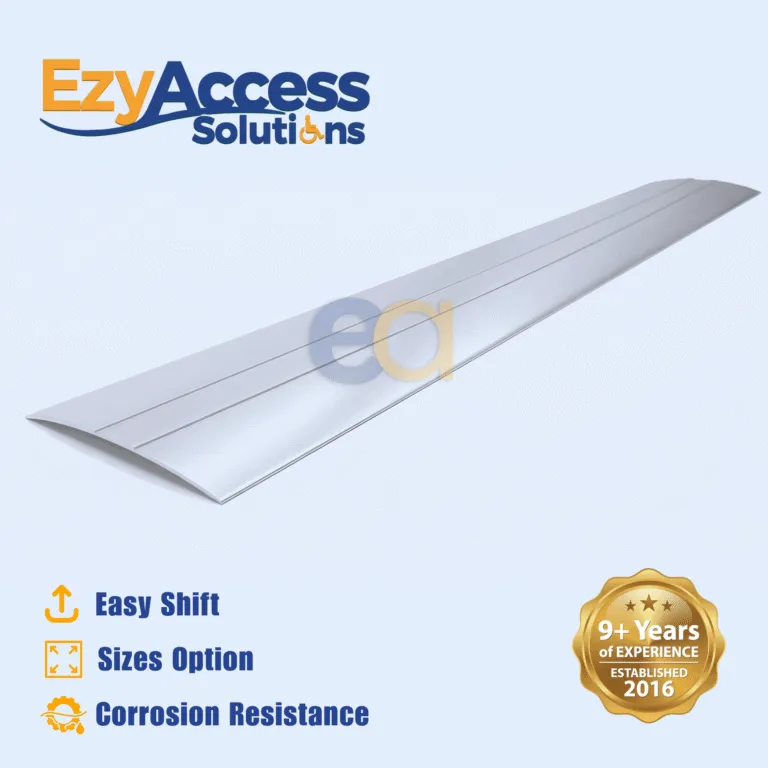
Aluminium Cover Strip 100mm Wide
in Stock, Australia Wide Shipping
- Provides a smooth transition between different flooring surfaces, such as vinyl and tiles
- Suitable for mobility equipment, including wheelchairs, scooters, and walkers
- Can be cut to the desired length using a hacksaw or metal cutting saw
- Strong, durable aluminium construction – 100mm wide x 5.95mm height
- Suitable for thresholds, indoor and outdoor use
- Multiple strips can be placed together for longer transitions
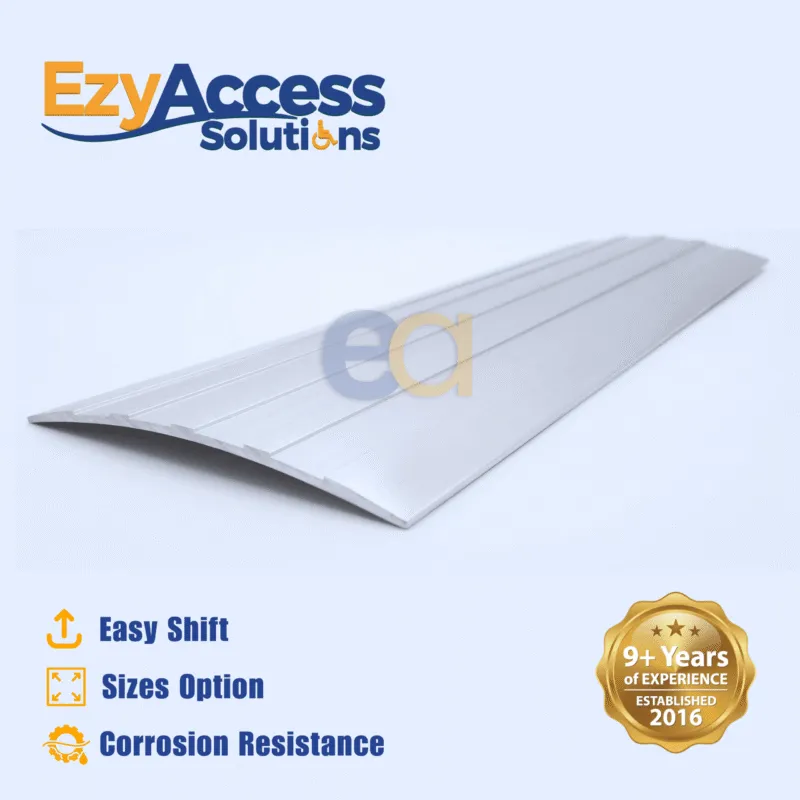
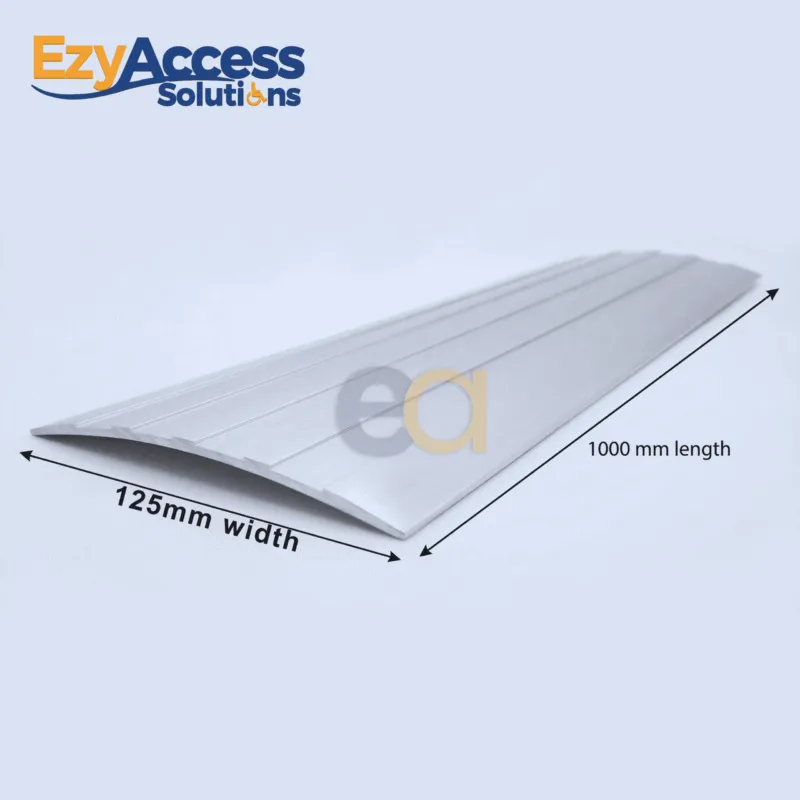
Aluminium Cover Strip 125mm Wide
in Stock, Australia Wide Shipping
- Provides a smooth, safe transition between different flooring surfaces such as vinyl, tile, and other floor finishes
- Suitable for mobility equipment including wheelchairs, scooters, and walkers as well as general pedestrian use
- Ideal for thresholds, doorways, and floor joins – indoors and outdoors
- Strong, durable aluminium construction – 125mm wide
- Can be cut to size for a precise fit
- Multiple strips can be placed together for longer transitions
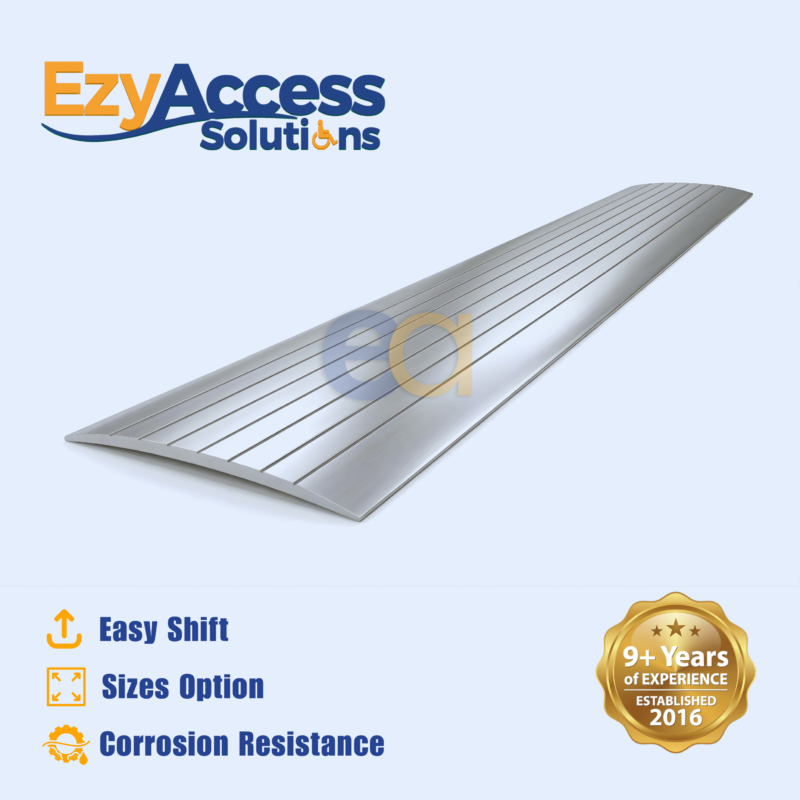
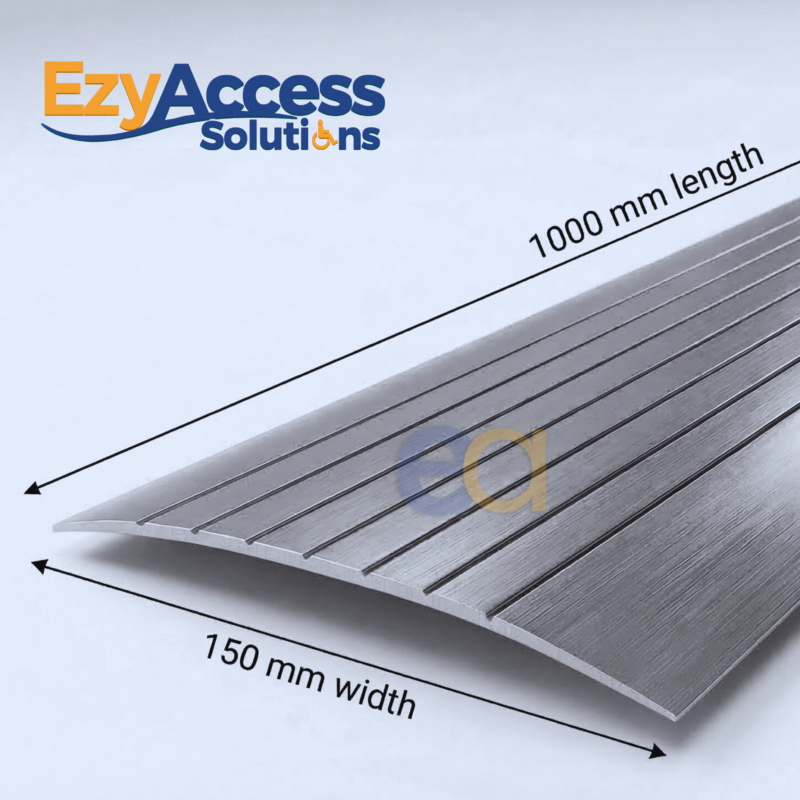
Aluminium Cover Strip 150mm Wide
in Stock, Australia Wide Shipping
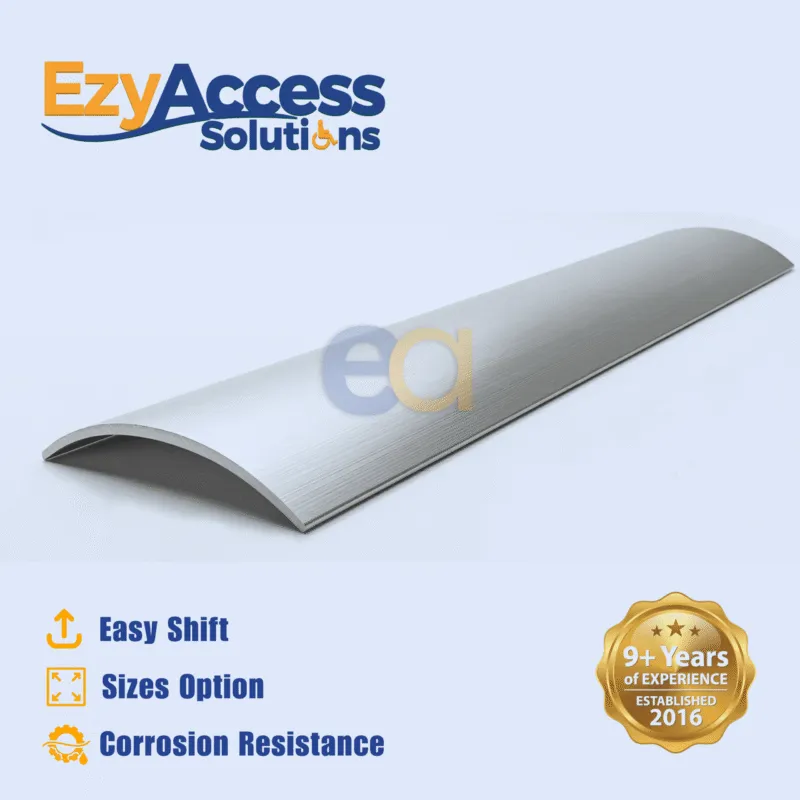
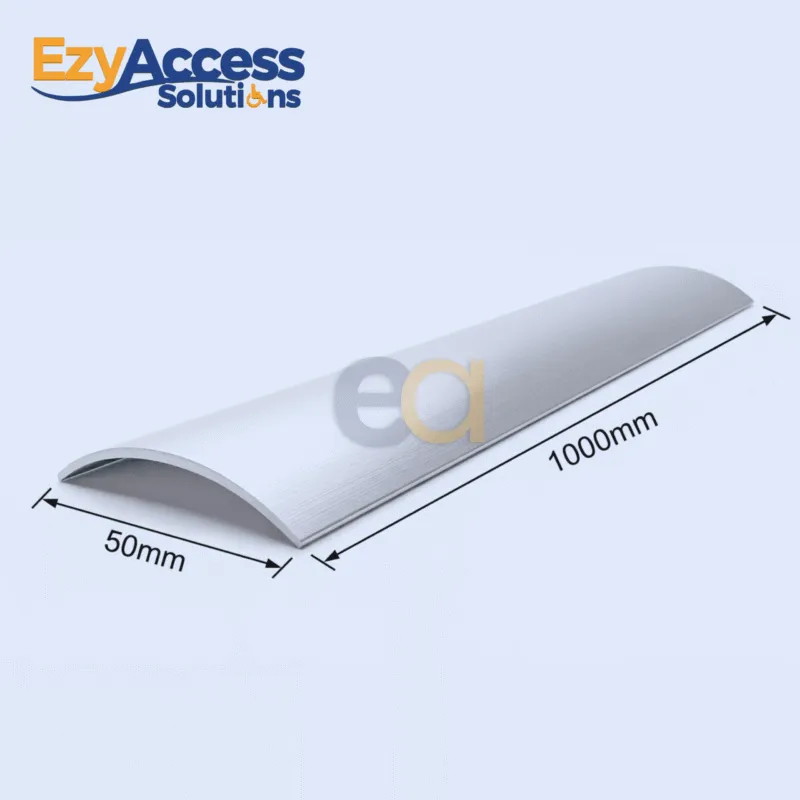
Aluminium Cover Strip 50mm Wide
in Stock, Australia Wide Shipping
- Creates a smooth, safe transition between different flooring surfaces such as vinyl and tiles
- Suitable for wheelchairs, scooters, and walkers
- Reduces trip hazards at thresholds and doorways
- Made from durable aluminium with a silver sandblasted finish
- Suitable for indoor and outdoor use
- Can be cut to size as needed
Aluminium Cover Strip 75mm Wide
in Stock, Australia Wide Shipping
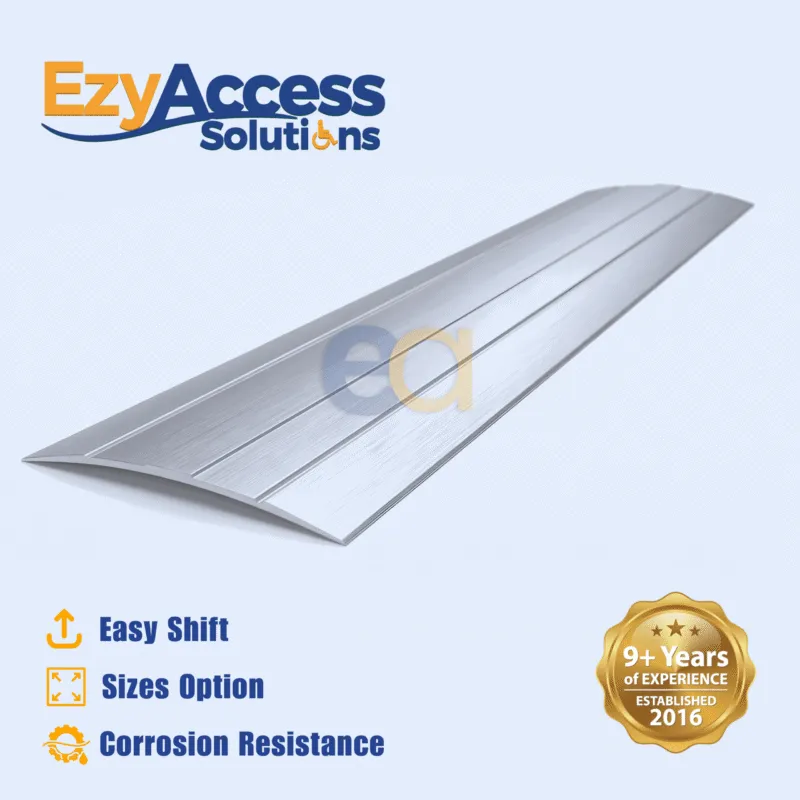
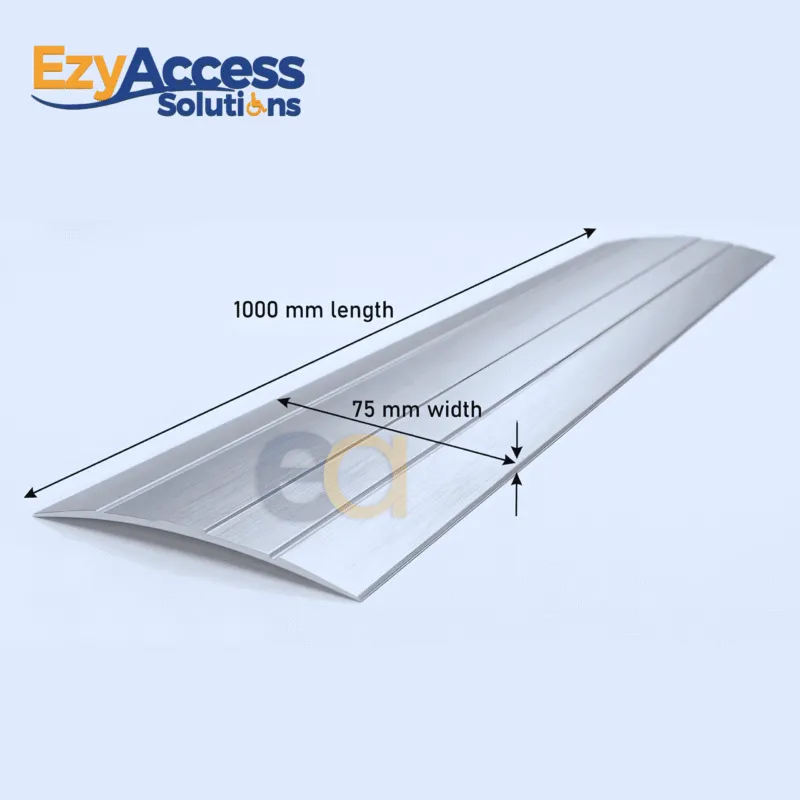
- Provides a smooth transition between different flooring surfaces such as vinyl and tiles
- Suitable for mobility equipment including wheelchairs, scooters, and walkers
- Can be cut to desired length using a hacksaw or metal cutting saw
- Strong, durable aluminium construction – 75mm wide x 5.62mm height
- Suitable for thresholds, indoor and outdoor use
- Multiple strips can be placed together for longer transitions
Aluminium Cover Strip Double Sided 150mm Wide
in Stock, Australia Wide Shipping
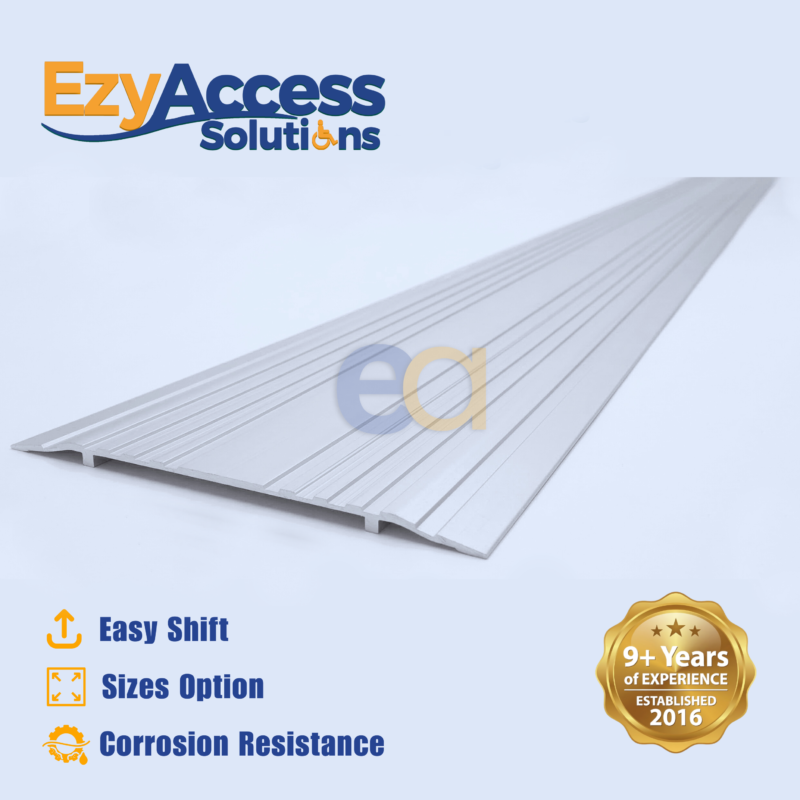
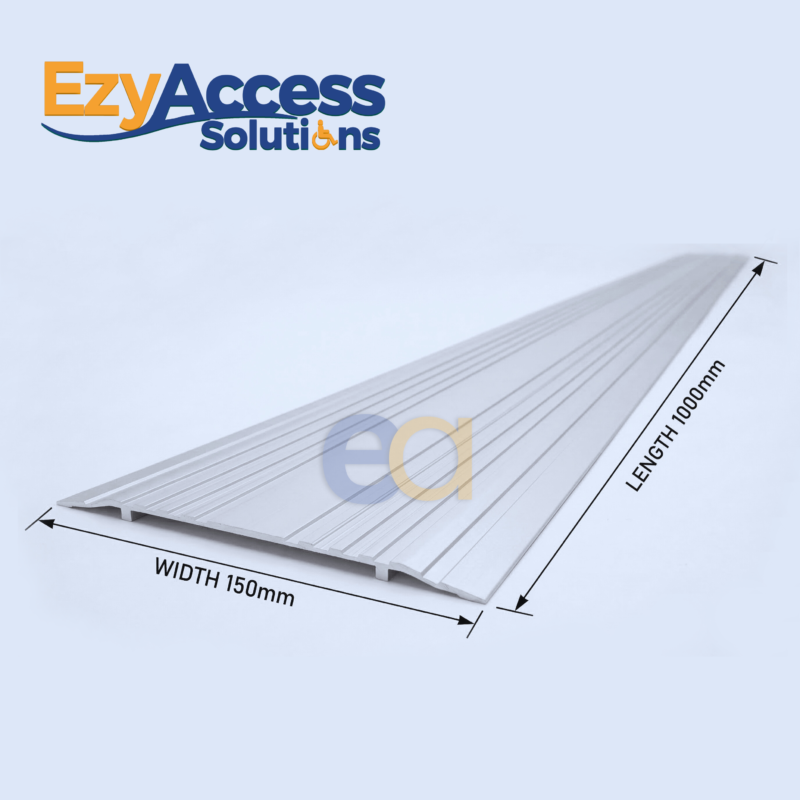
- Double sided profile provides a smooth, even transition between flooring surfaces on both sides of a doorway or threshold
- Suitable for mobility equipment including wheelchairs, scooters, and walkers as well as general foot traffic
- Ideal for thresholds, doorways, and floor transitions – indoors and outdoors
- Strong, durable aluminium construction – 150mm wide x 5.8mm height
- Can be cut to desired length using a hacksaw or metal cutting saw
- Multiple strips can be placed together for longer transitions
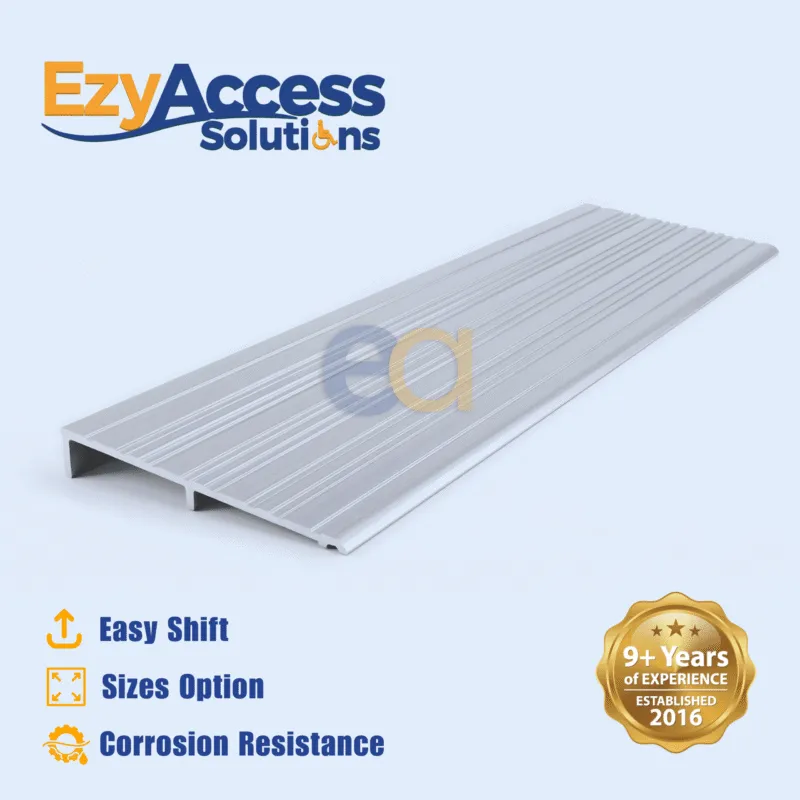
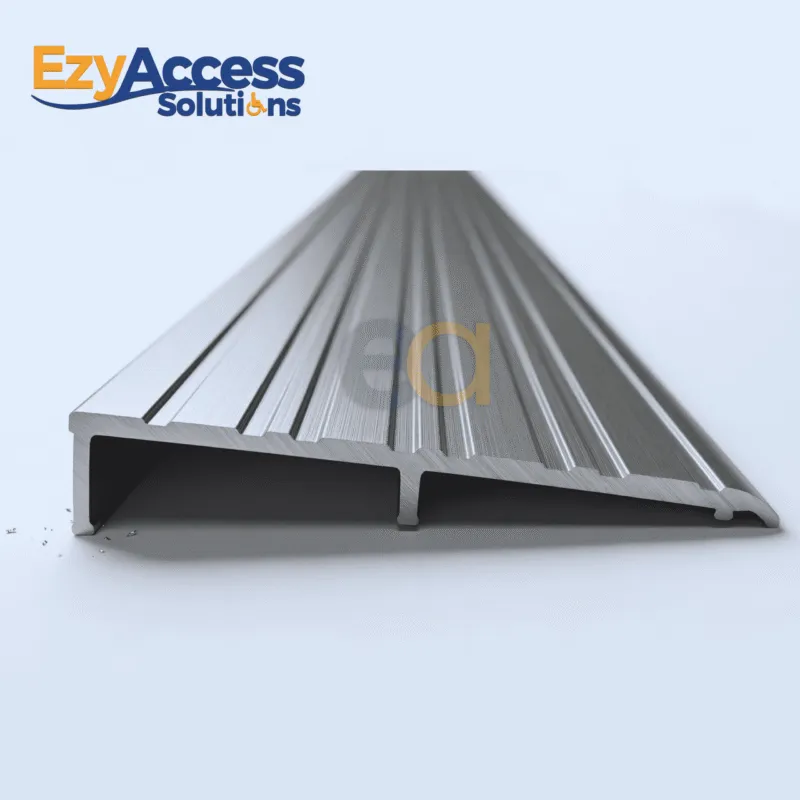
Aluminium Threshold Ramp 12mm
in Stock, Australia Wide Shipping
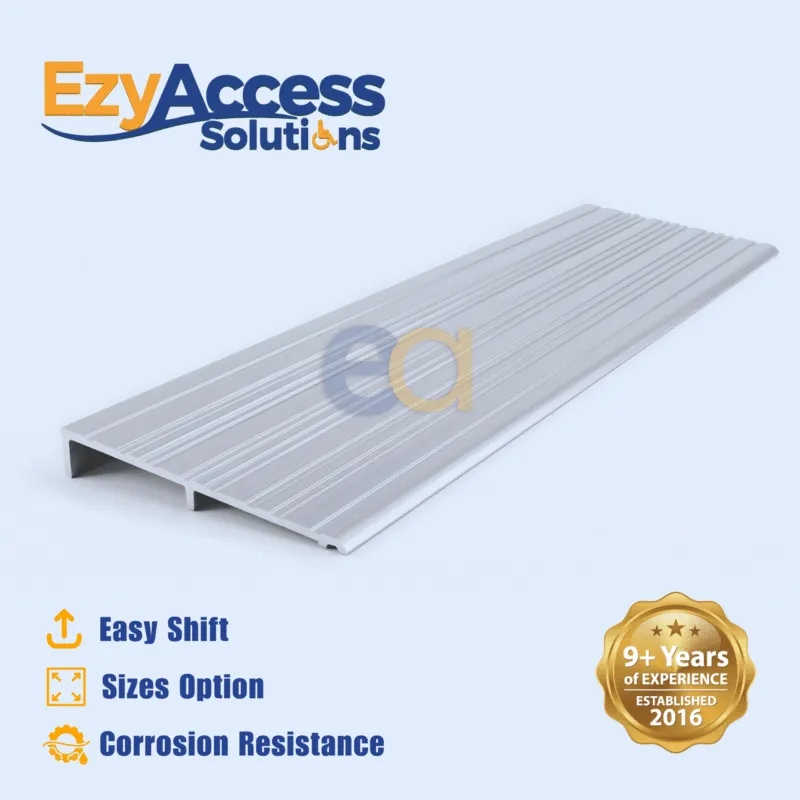
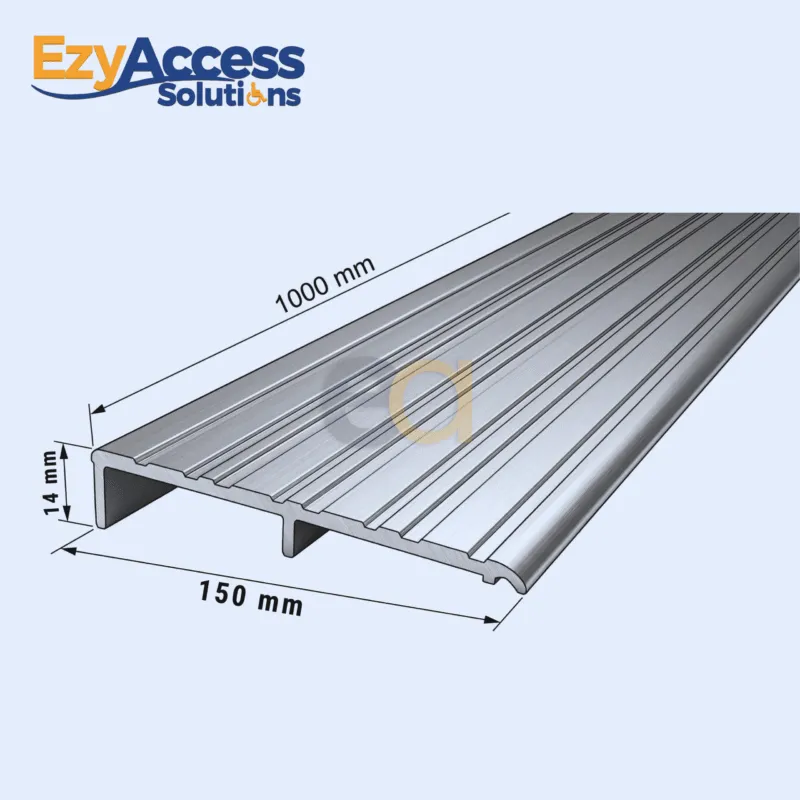
Aluminium Threshold Ramp 14mm
in Stock, Australia Wide Shipping
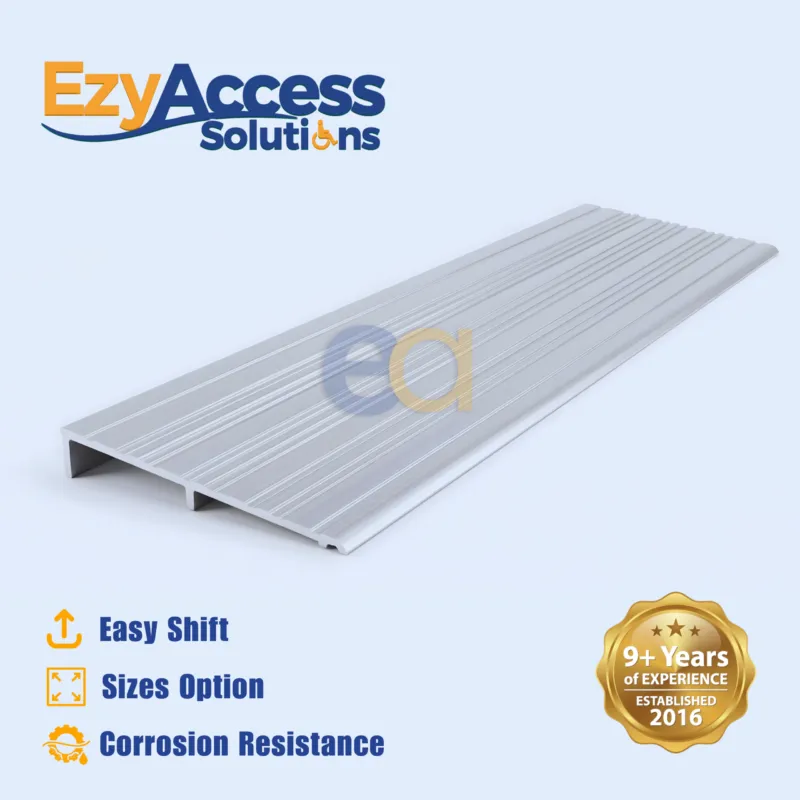
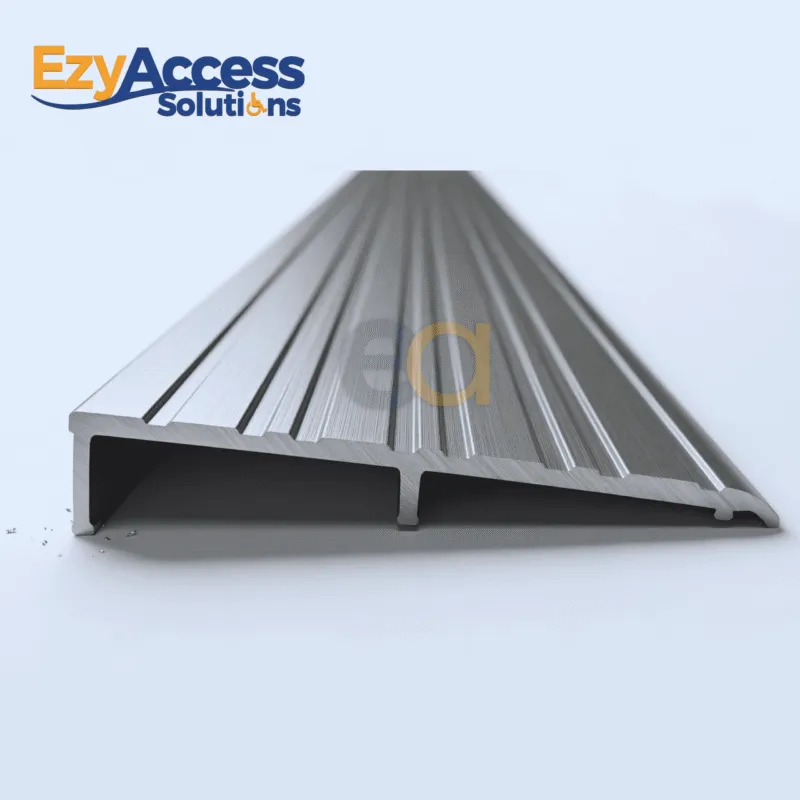
Aluminium Threshold Ramp 19mm
in Stock, Australia Wide Shipping
- Heavy-duty 19mm aluminium construction designed for higher threshold access
- Slip-resistant surface for improved grip and user safety
- Weather and corrosion resistant – suitable for indoor and outdoor use
- Lightweight yet strong for easy transport and positioning
- Low maintenance with a long-lasting, durable design
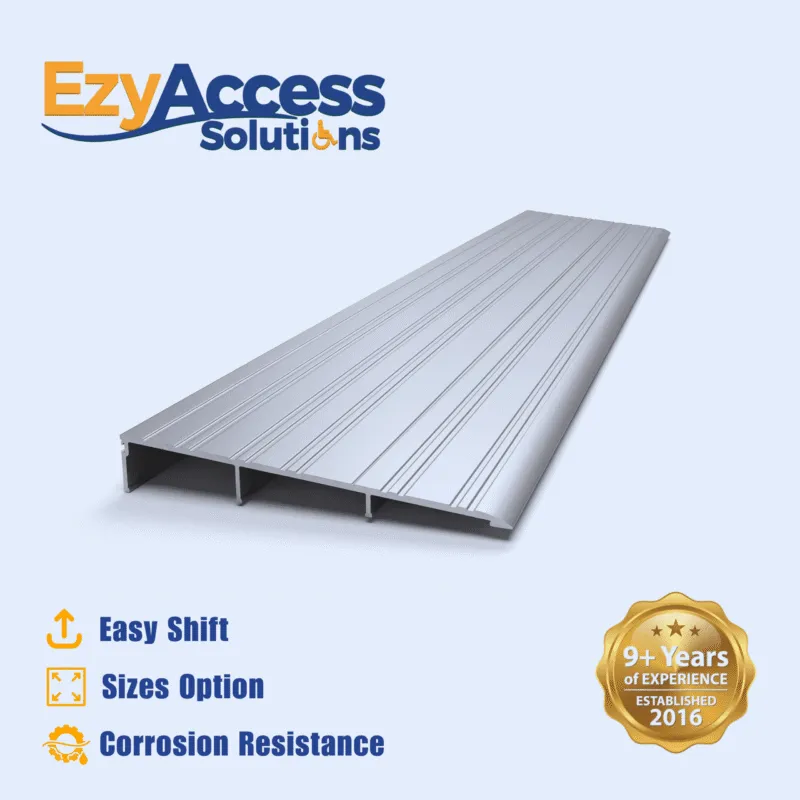
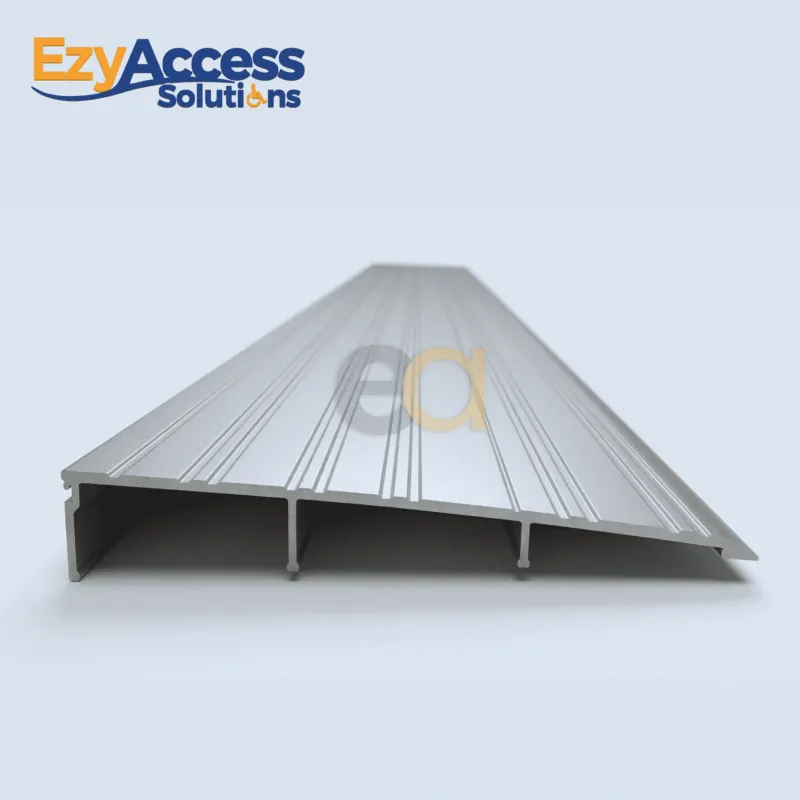
Aluminium Threshold Ramp 24mm
in Stock, Australia Wide Shipping
- Heavy-duty 24mm aluminium construction designed for higher threshold transitions
- Slip-resistant surface for improved safety and stability during use
- Weather and corrosion resistant – suitable for indoor and outdoor applications
- Strong yet lightweight for easy transport and installation
- Low maintenance design with long-lasting, durable performance
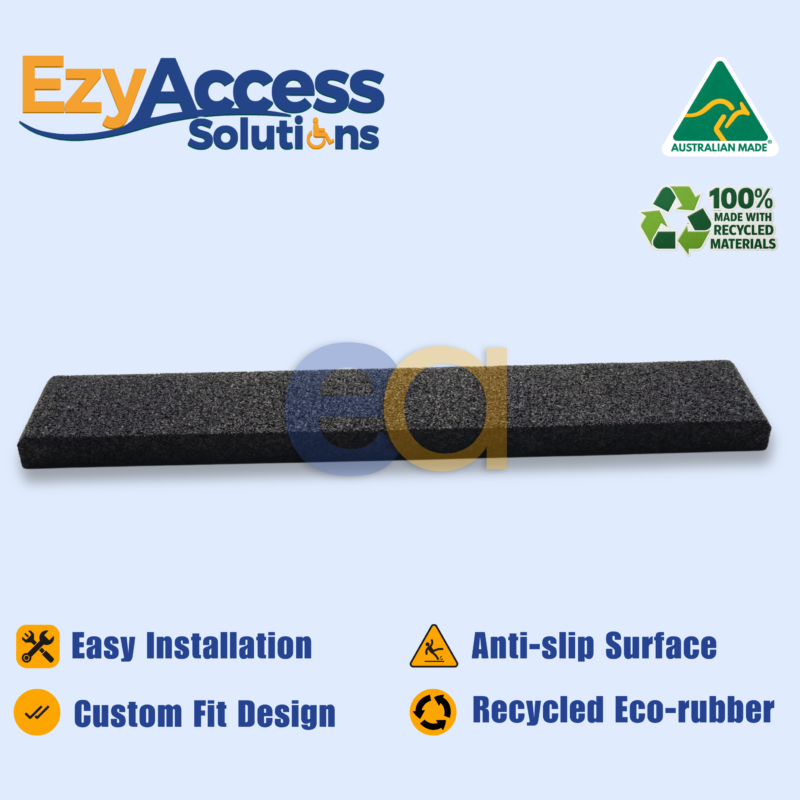
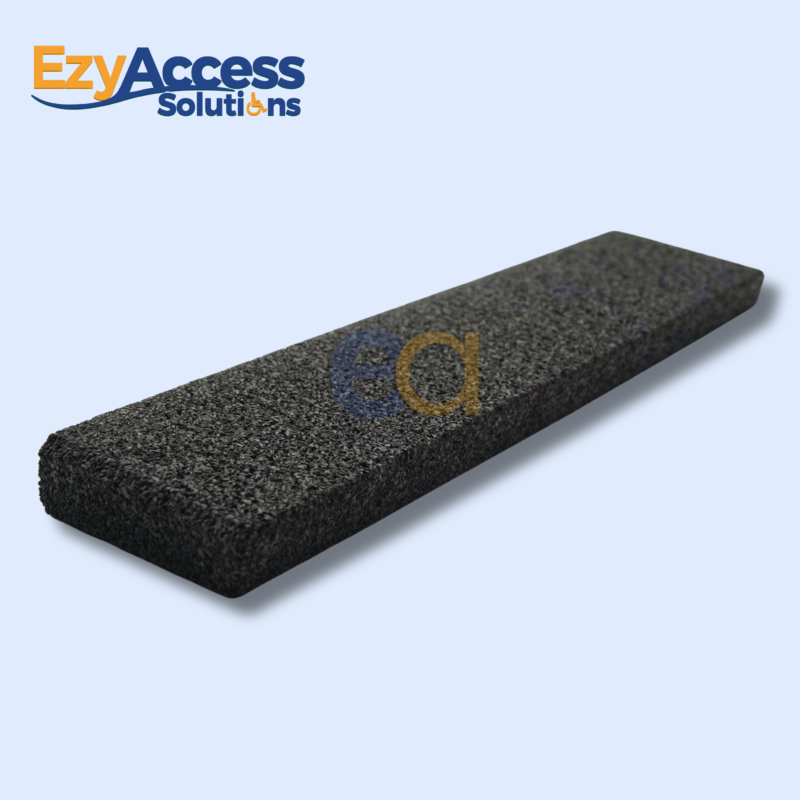
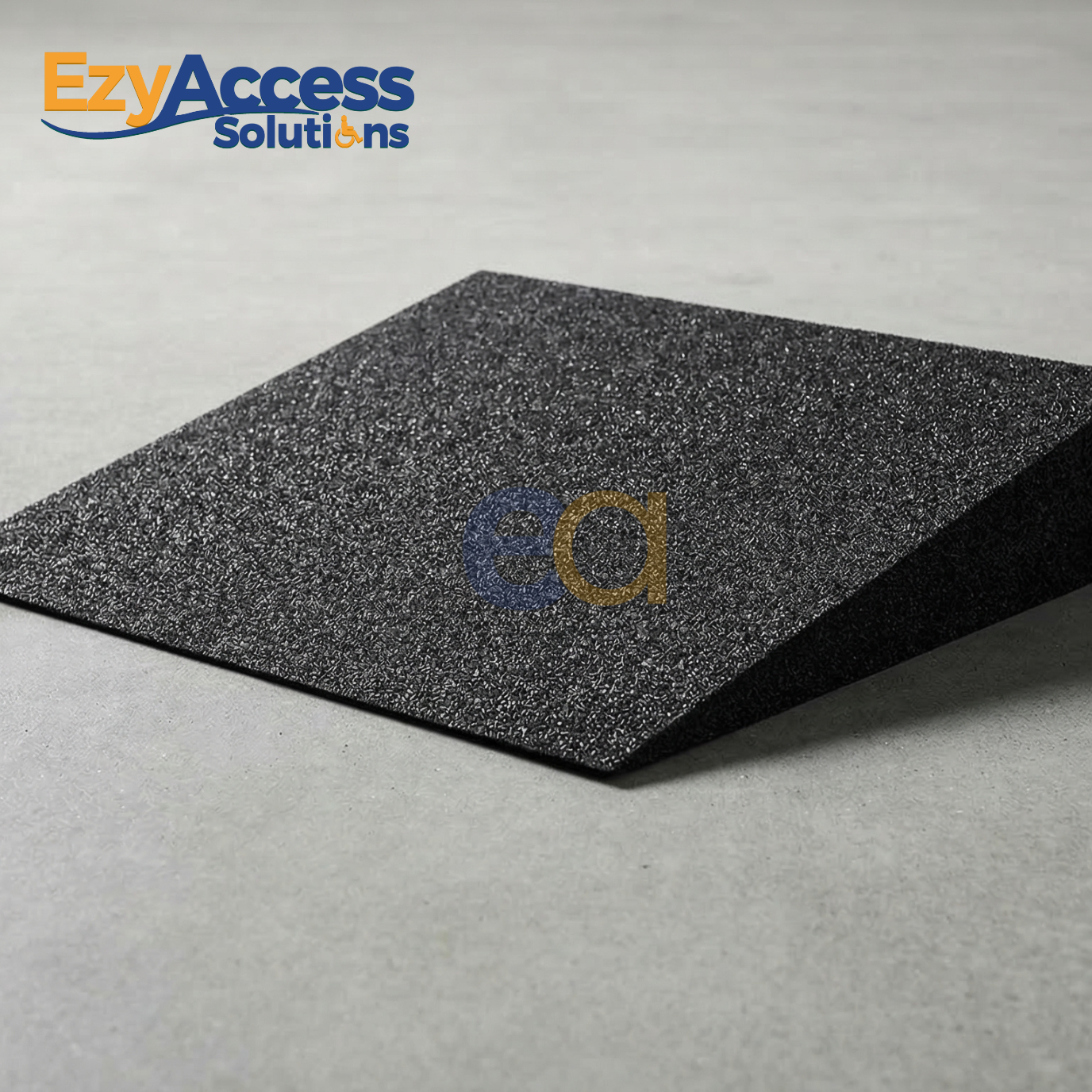
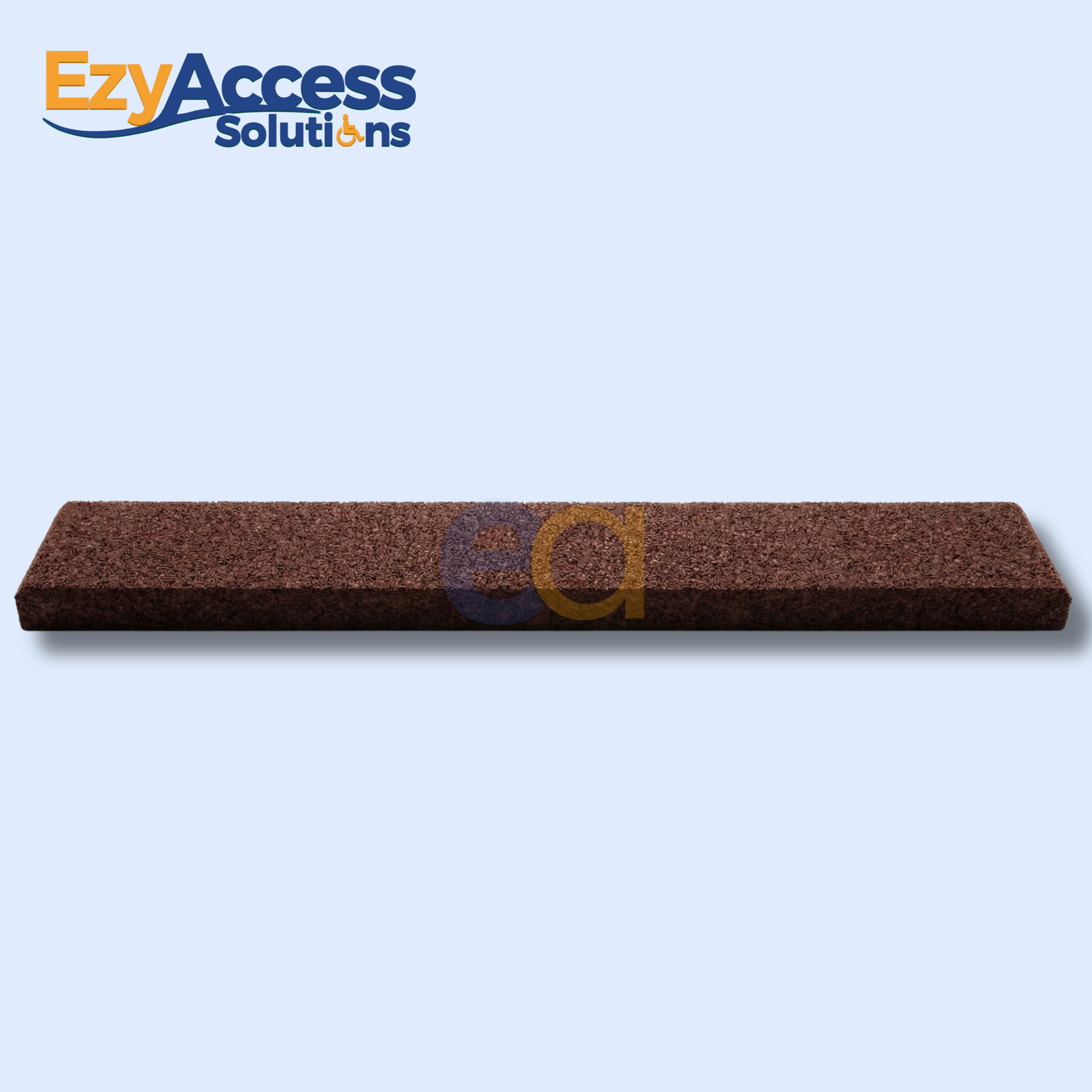
Custom Rubber Infill
in Stock, Australia Wide Shipping
-
Eco-Friendly Materials – Made using sustainable recycled rubber.
-
Durable & Weather Resistant – Built to withstand heavy use and outdoor conditions.
-
Quick Installation – Simple to install and easy to remove if needed.
-
Australia-Wide Shipping – Reliable delivery available across Australia.
-
Fast Dispatch or Local Pick-Up – Choose quick shipping or convenient warehouse collection.
-
Proudly Australian Made & Owned – Manufactured locally with quality craftsmanship.


7 mm Aluminium Ramp
in Stock, Australia Wide Shipping
• Slip-Resistant Surface – Provides added safety and stability
• Weather & Corrosion Resistant – Suitable for indoor and outdoor use
• Easy Installation – Can be installed quickly for immediate access
• Versatile Use – Perfect for homes, offices, shops, and public buildings
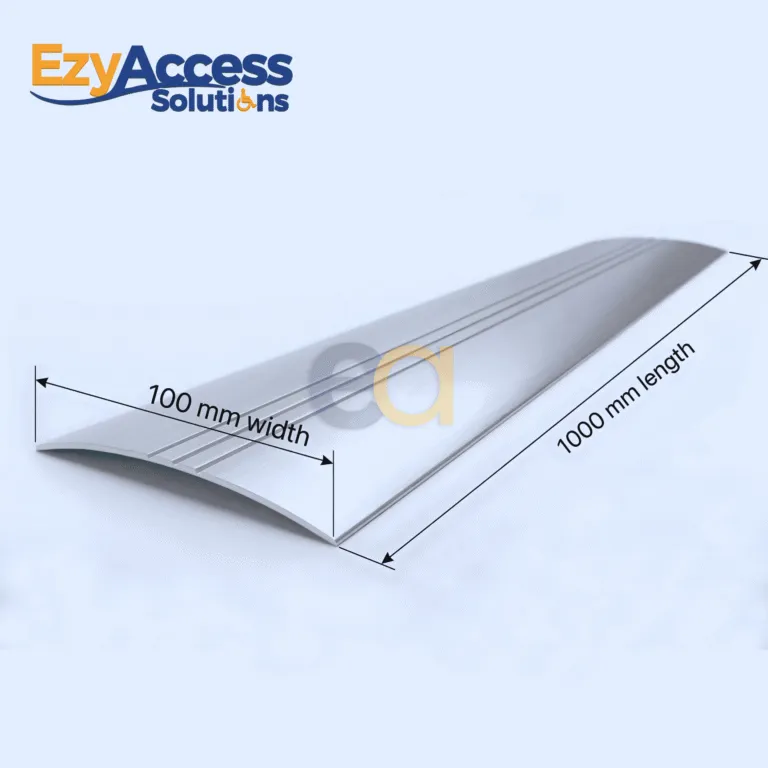
Aluminium Cover Strip 100mm Wide
in Stock, Australia Wide Shipping
- Provides a smooth transition between different flooring surfaces, such as vinyl and tiles
- Suitable for mobility equipment, including wheelchairs, scooters, and walkers
- Can be cut to the desired length using a hacksaw or metal cutting saw
- Strong, durable aluminium construction – 100mm wide x 5.95mm height
- Suitable for thresholds, indoor and outdoor use
- Multiple strips can be placed together for longer transitions
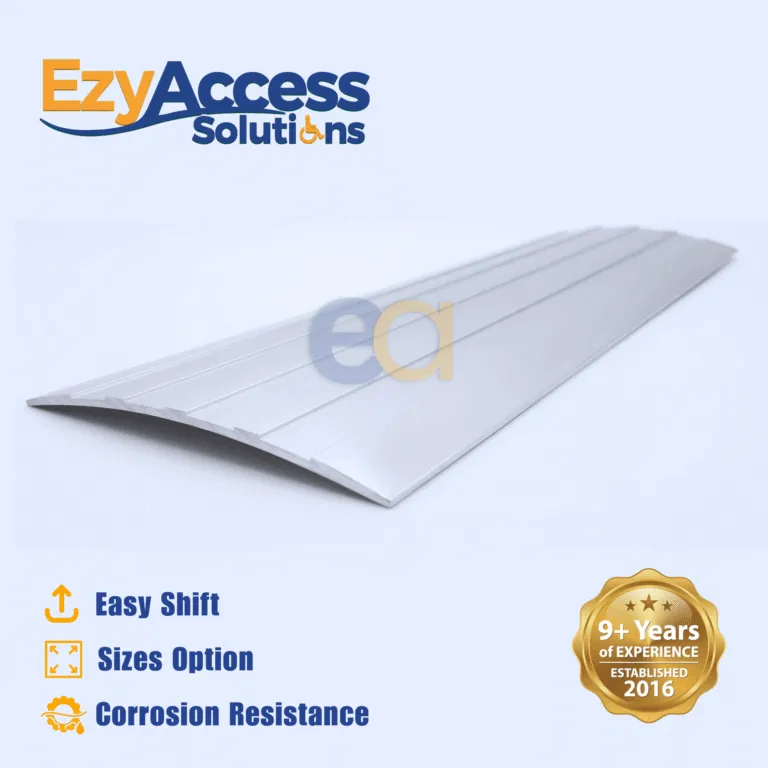
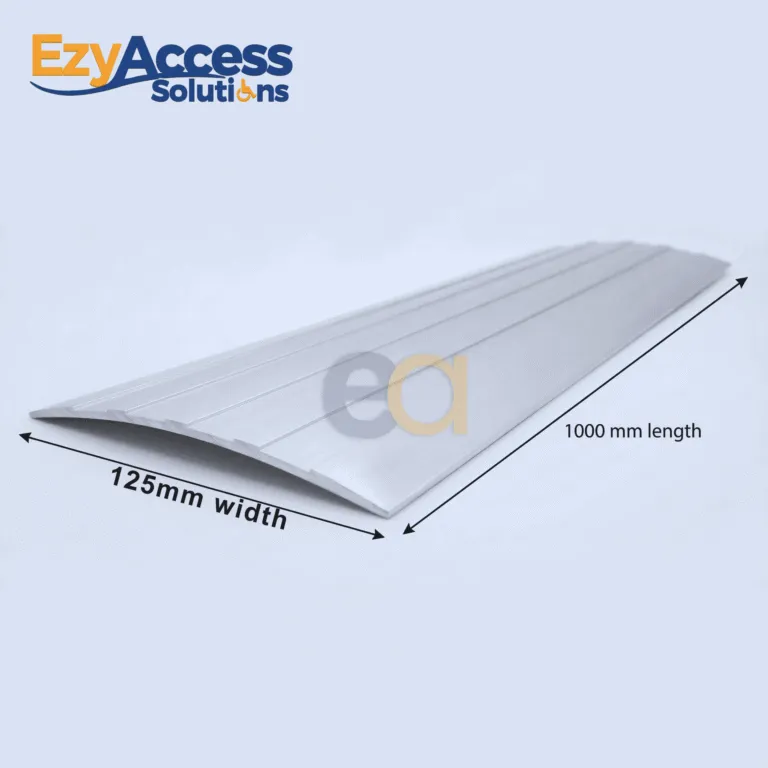
Aluminium Cover Strip 125mm Wide
in Stock, Australia Wide Shipping
- Provides a smooth, safe transition between different flooring surfaces such as vinyl, tile, and other floor finishes
- Suitable for mobility equipment including wheelchairs, scooters, and walkers as well as general pedestrian use
- Ideal for thresholds, doorways, and floor joins – indoors and outdoors
- Strong, durable aluminium construction – 125mm wide
- Can be cut to size for a precise fit
- Multiple strips can be placed together for longer transitions
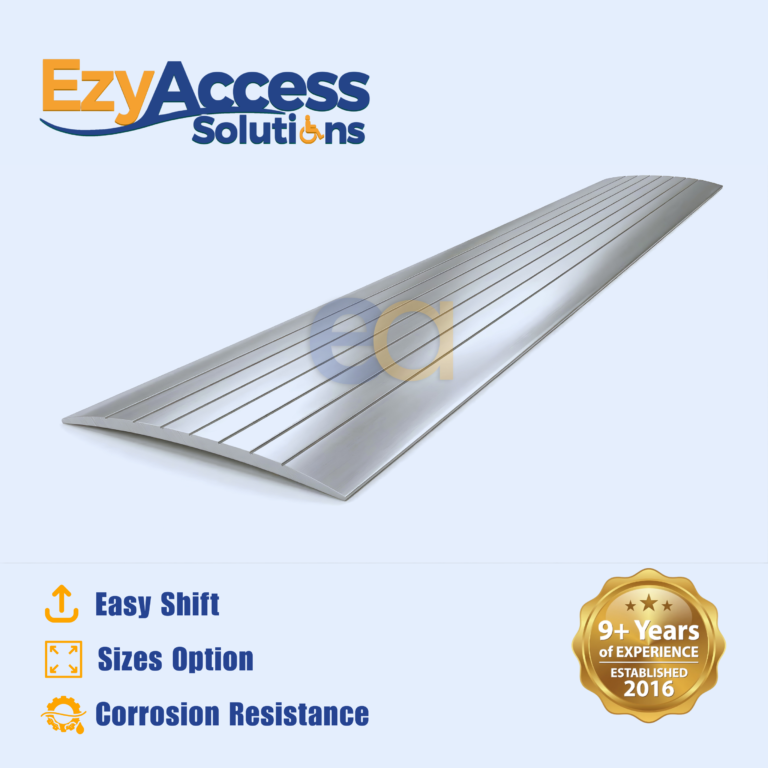
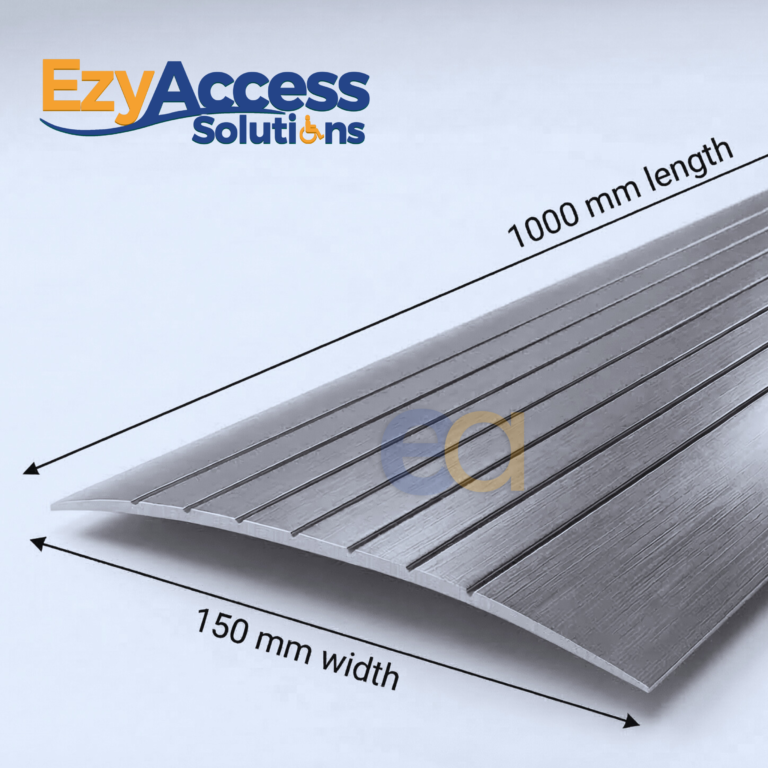
Aluminium Cover Strip 150mm Wide
in Stock, Australia Wide Shipping
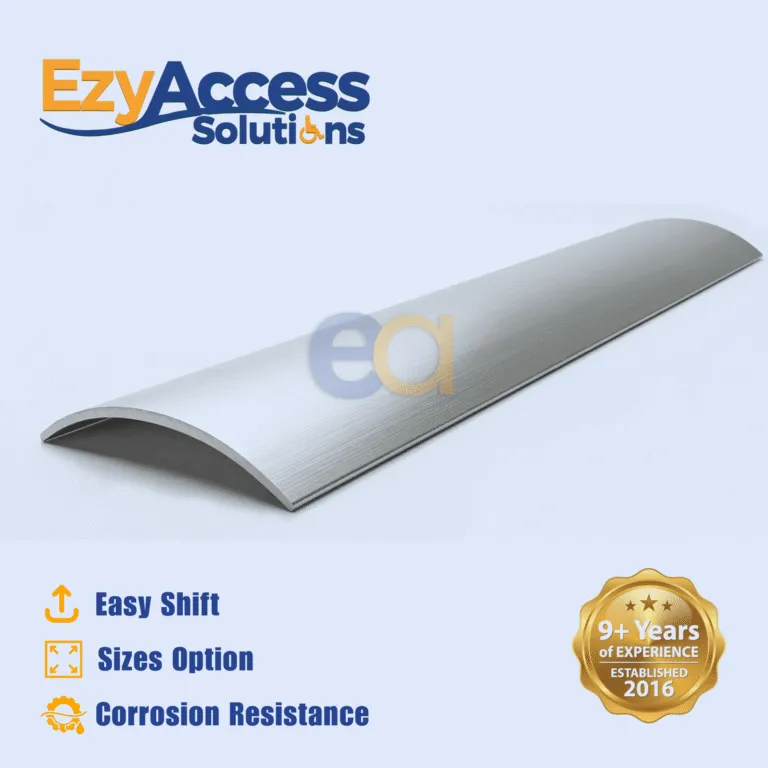
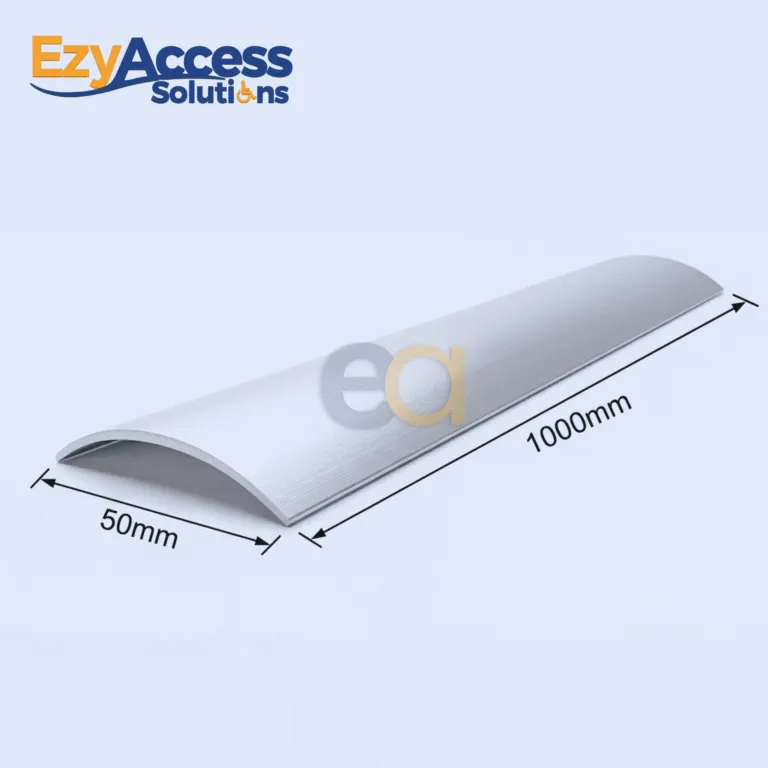
Aluminium Cover Strip 50mm Wide
in Stock, Australia Wide Shipping
- Creates a smooth, safe transition between different flooring surfaces such as vinyl and tiles
- Suitable for wheelchairs, scooters, and walkers
- Reduces trip hazards at thresholds and doorways
- Made from durable aluminium with a silver sandblasted finish
- Suitable for indoor and outdoor use
- Can be cut to size as needed
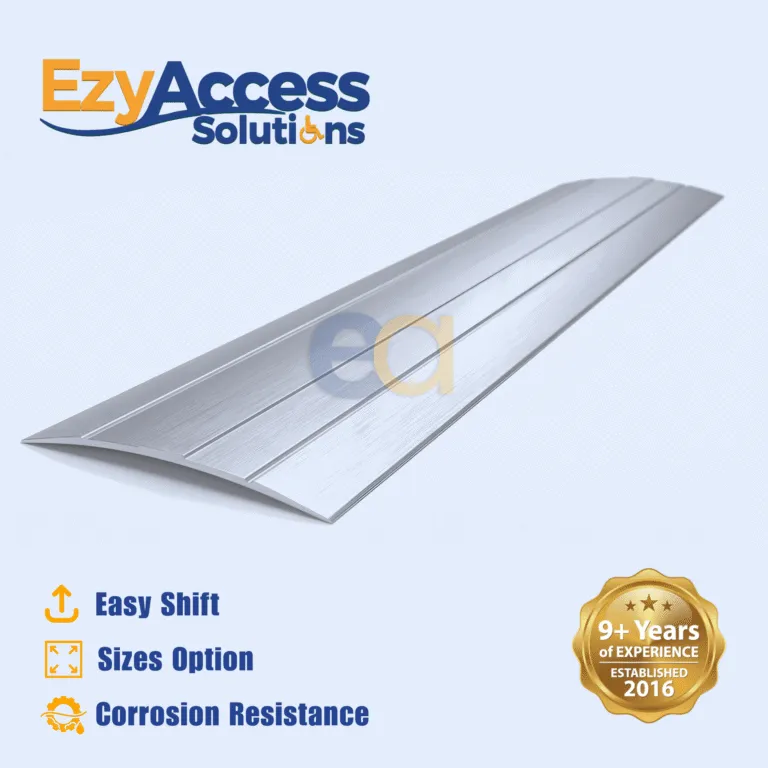
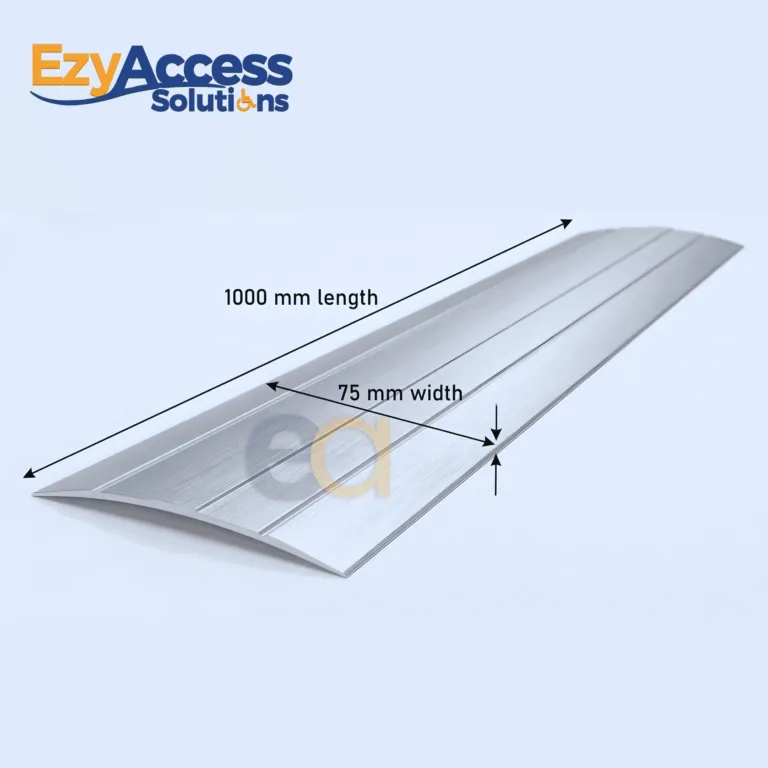
Aluminium Cover Strip 75mm Wide
in Stock, Australia Wide Shipping
- Provides a smooth transition between different flooring surfaces such as vinyl and tiles
- Suitable for mobility equipment including wheelchairs, scooters, and walkers
- Can be cut to desired length using a hacksaw or metal cutting saw
- Strong, durable aluminium construction – 75mm wide x 5.62mm height
- Suitable for thresholds, indoor and outdoor use
- Multiple strips can be placed together for longer transitions
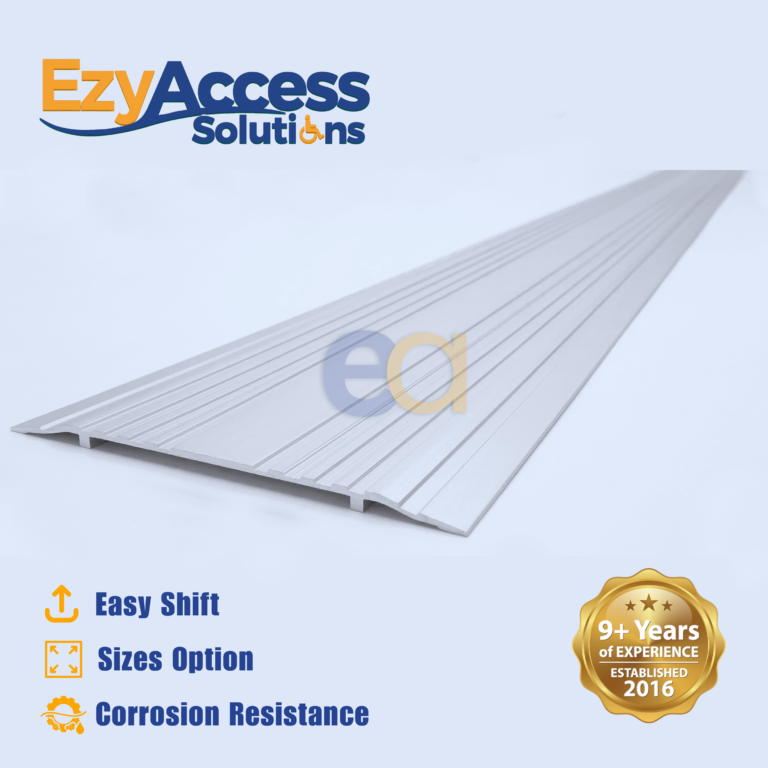
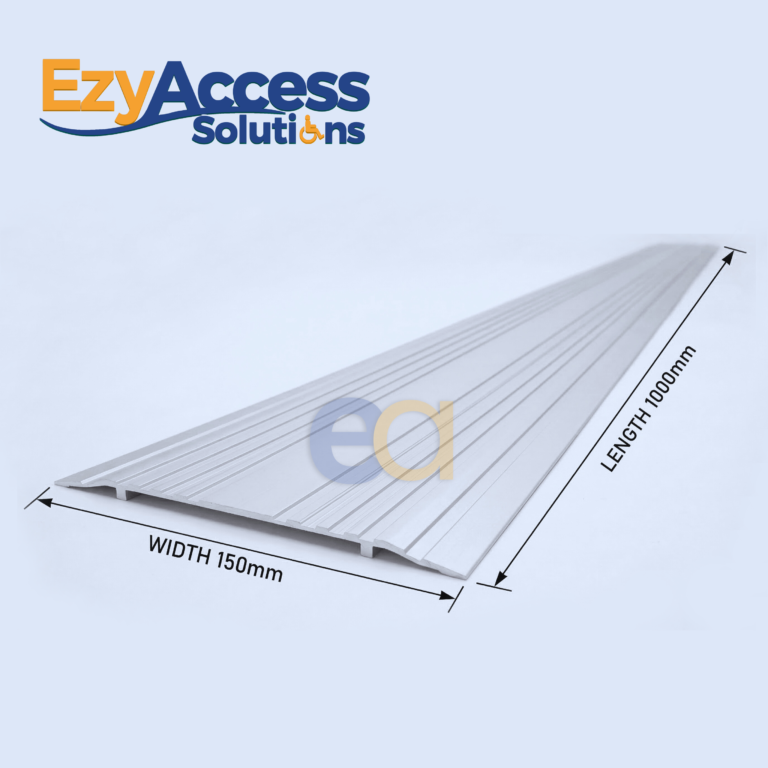
Aluminium Cover Strip Double Sided 150mm Wide
in Stock, Australia Wide Shipping
- Double sided profile provides a smooth, even transition between flooring surfaces on both sides of a doorway or threshold
- Suitable for mobility equipment including wheelchairs, scooters, and walkers as well as general foot traffic
- Ideal for thresholds, doorways, and floor transitions – indoors and outdoors
- Strong, durable aluminium construction – 150mm wide x 5.8mm height
- Can be cut to desired length using a hacksaw or metal cutting saw
- Multiple strips can be placed together for longer transitions
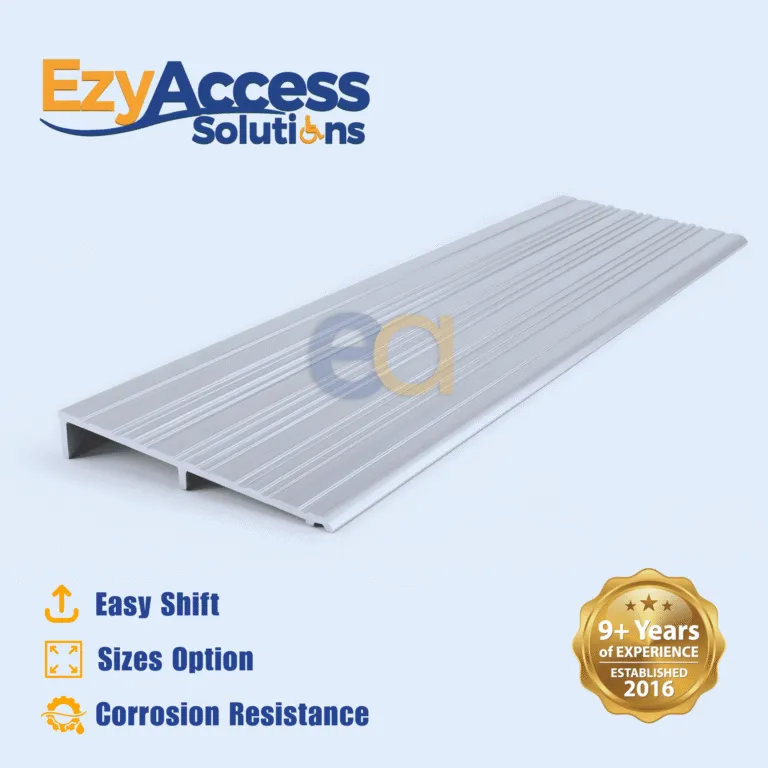
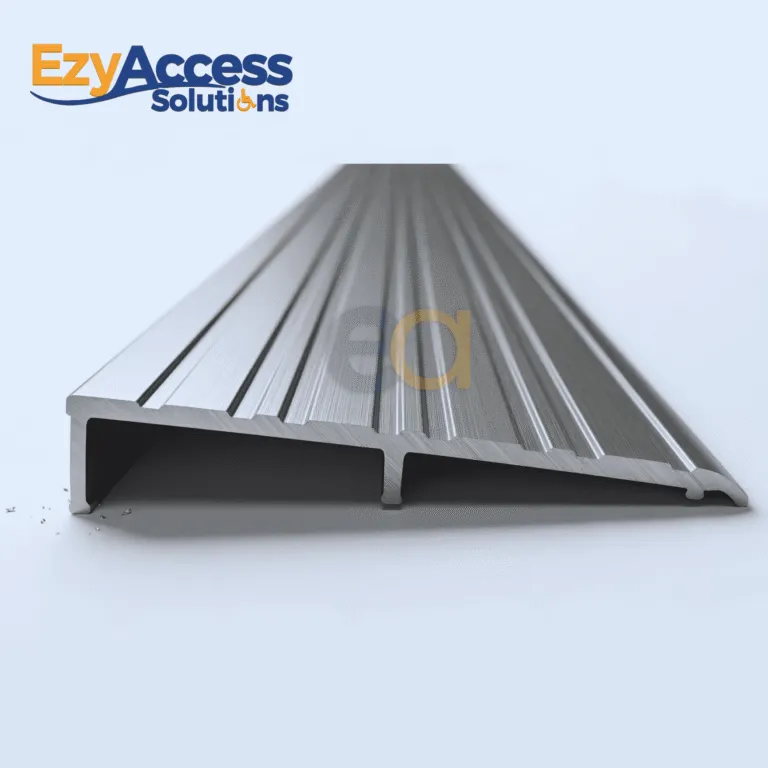
Aluminium Threshold Ramp 12mm
in Stock, Australia Wide Shipping
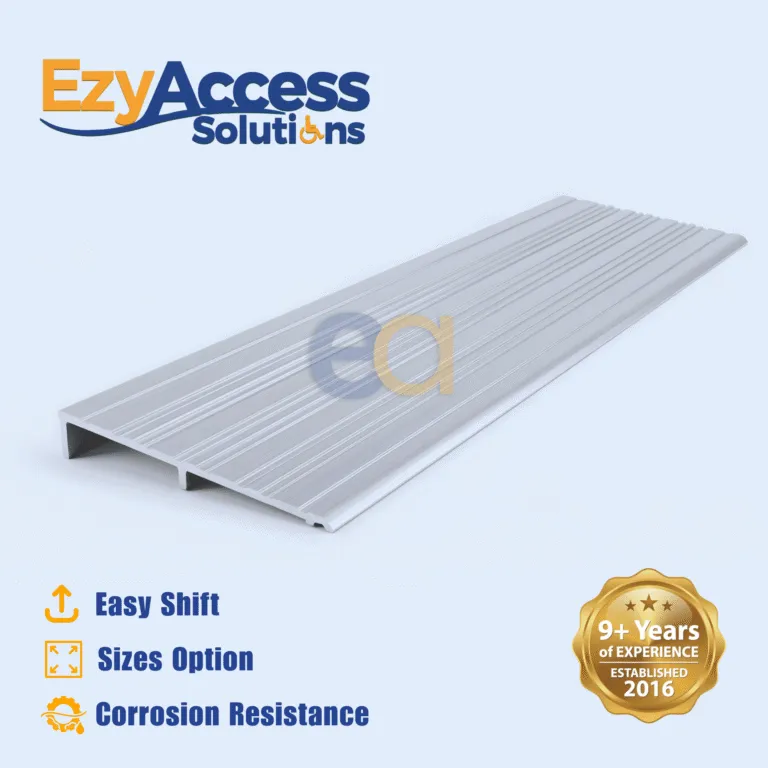
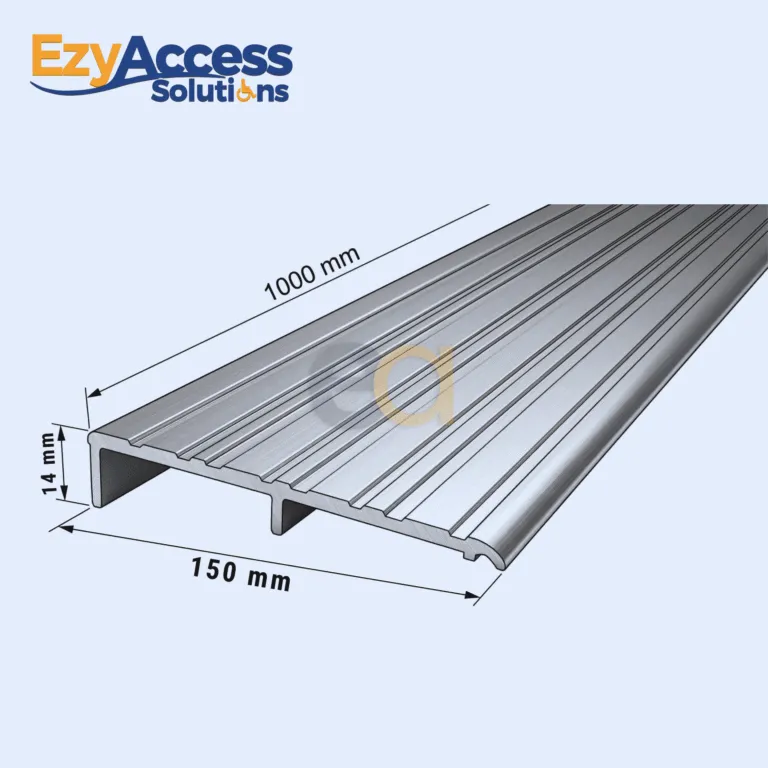
Aluminium Threshold Ramp 14mm
in Stock, Australia Wide Shipping
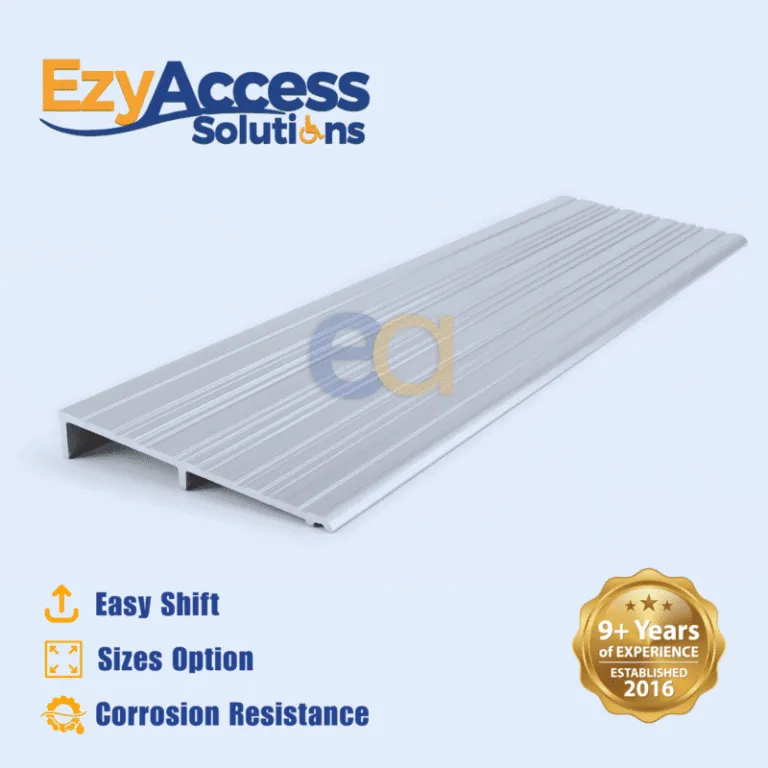
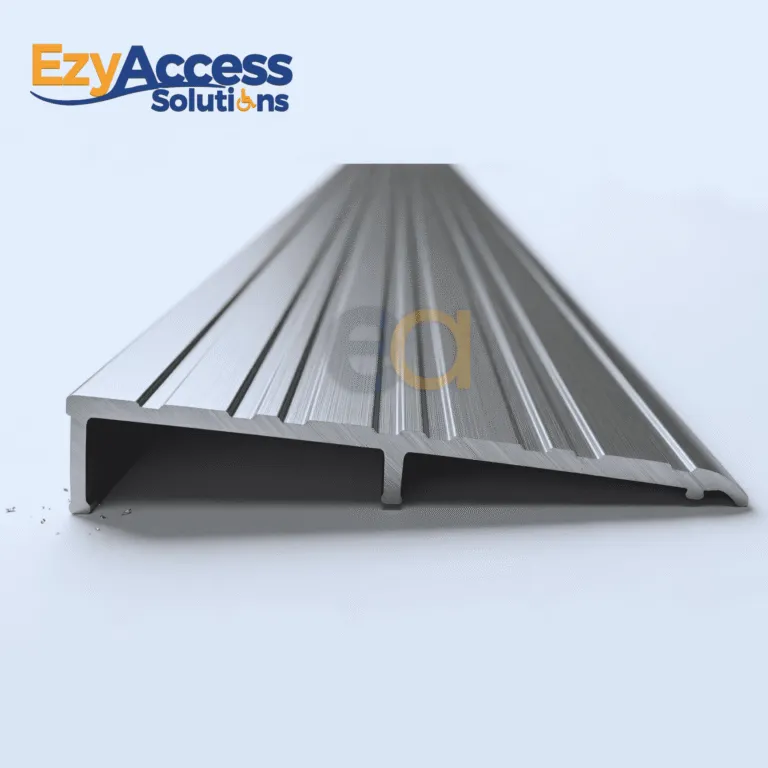
Aluminium Threshold Ramp 19mm
in Stock, Australia Wide Shipping
- Heavy-duty 19mm aluminium construction designed for higher threshold access
- Slip-resistant surface for improved grip and user safety
- Weather and corrosion resistant – suitable for indoor and outdoor use
- Lightweight yet strong for easy transport and positioning
- Low maintenance with a long-lasting, durable design
Aluminium Threshold Ramp 24mm
in Stock, Australia Wide Shipping
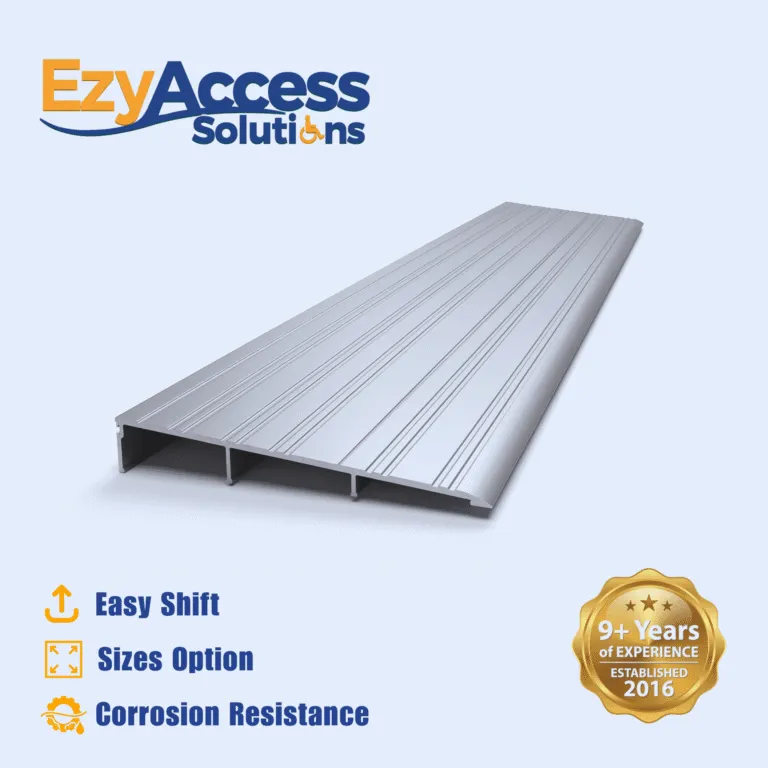
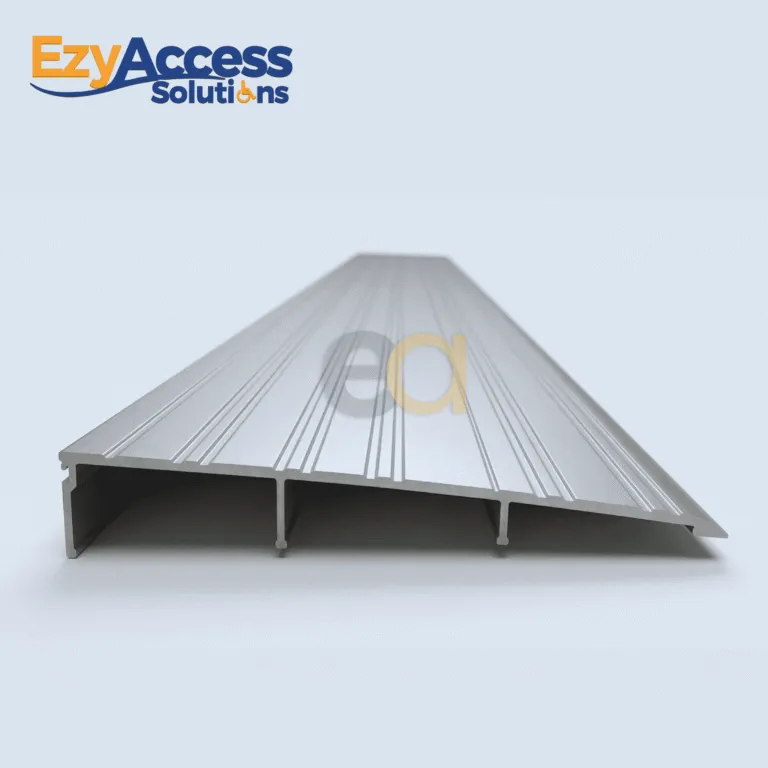
- Heavy-duty 24mm aluminium construction designed for higher threshold transitions
- Slip-resistant surface for improved safety and stability during use
- Weather and corrosion resistant – suitable for indoor and outdoor applications
- Strong yet lightweight for easy transport and installation
- Low maintenance design with long-lasting, durable performance
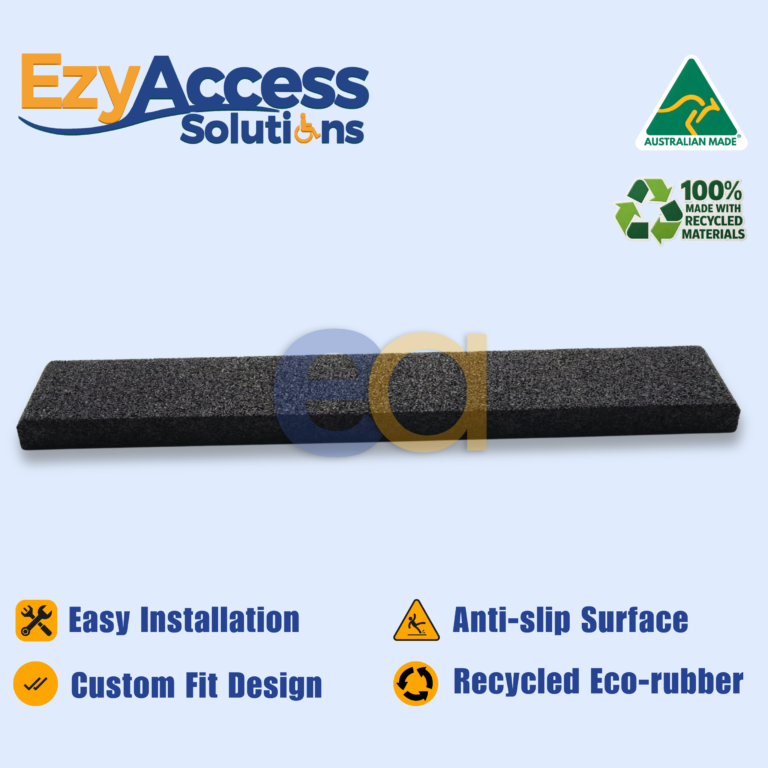
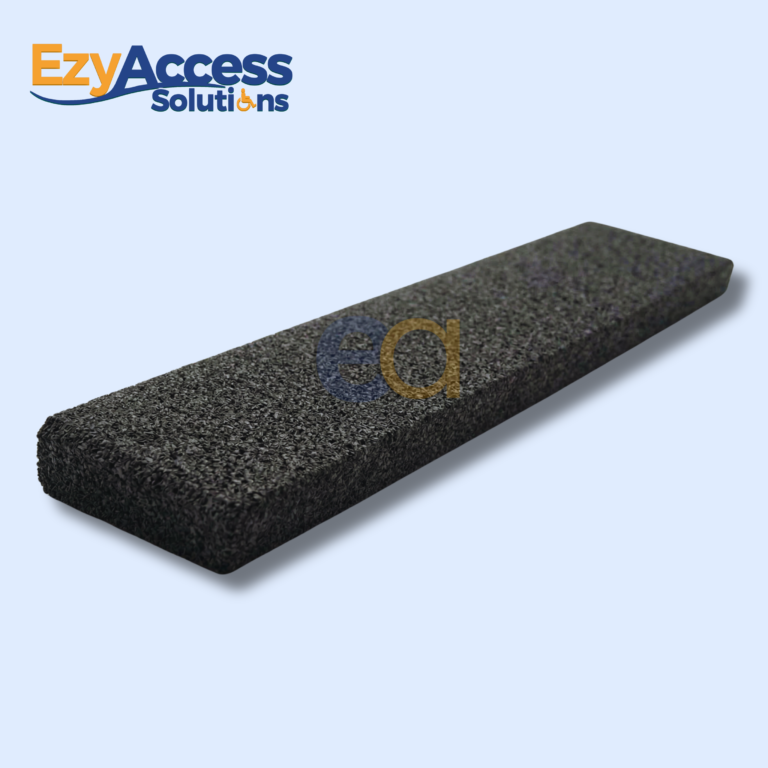
Custom Rubber Infill
in Stock, Australia Wide Shipping
-
Eco-Friendly Materials – Made using sustainable recycled rubber.
-
Durable & Weather Resistant – Built to withstand heavy use and outdoor conditions.
-
Quick Installation – Simple to install and easy to remove if needed.
-
Australia-Wide Shipping – Reliable delivery available across Australia.
-
Fast Dispatch or Local Pick-Up – Choose quick shipping or convenient warehouse collection.
-
Proudly Australian Made & Owned – Manufactured locally with quality craftsmanship.
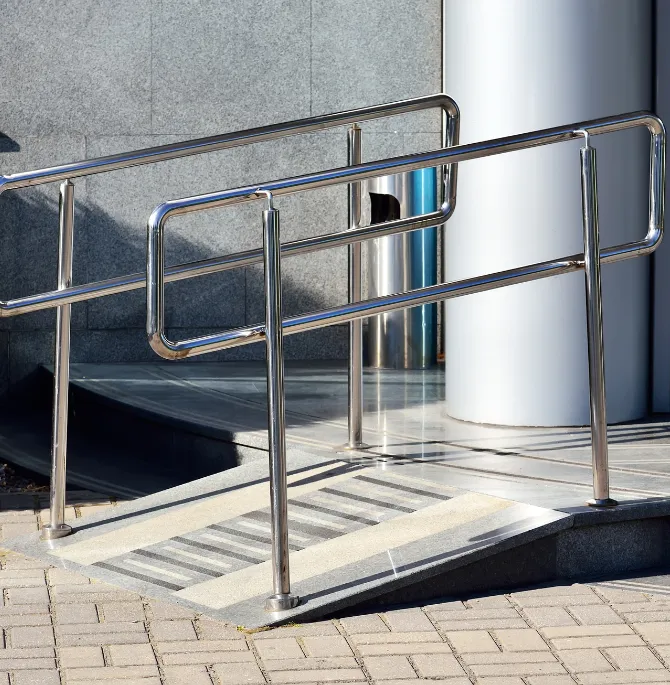
7 mm Aluminium Ramp
in Stock, Australia Wide Shipping
• Slip-Resistant Surface – Provides added safety and stability
• Weather & Corrosion Resistant – Suitable for indoor and outdoor use
• Easy Installation – Can be installed quickly for immediate access
• Versatile Use – Perfect for homes, offices, shops, and public buildings
Aluminium Cover Strip 100mm Wide
in Stock, Australia Wide Shipping
- Provides a smooth transition between different flooring surfaces, such as vinyl and tiles
- Suitable for mobility equipment, including wheelchairs, scooters, and walkers
- Can be cut to the desired length using a hacksaw or metal cutting saw
- Strong, durable aluminium construction – 100mm wide x 5.95mm height
- Suitable for thresholds, indoor and outdoor use
- Multiple strips can be placed together for longer transitions
Aluminium Cover Strip 125mm Wide
in Stock, Australia Wide Shipping
- Provides a smooth, safe transition between different flooring surfaces such as vinyl, tile, and other floor finishes
- Suitable for mobility equipment including wheelchairs, scooters, and walkers as well as general pedestrian use
- Ideal for thresholds, doorways, and floor joins – indoors and outdoors
- Strong, durable aluminium construction – 125mm wide
- Can be cut to size for a precise fit
- Multiple strips can be placed together for longer transitions
Aluminium Cover Strip 150mm Wide
in Stock, Australia Wide Shipping
Aluminium Cover Strip 50mm Wide
in Stock, Australia Wide Shipping
- Creates a smooth, safe transition between different flooring surfaces such as vinyl and tiles
- Suitable for wheelchairs, scooters, and walkers
- Reduces trip hazards at thresholds and doorways
- Made from durable aluminium with a silver sandblasted finish
- Suitable for indoor and outdoor use
- Can be cut to size as needed
Aluminium Cover Strip 75mm Wide
in Stock, Australia Wide Shipping
- Provides a smooth transition between different flooring surfaces such as vinyl and tiles
- Suitable for mobility equipment including wheelchairs, scooters, and walkers
- Can be cut to desired length using a hacksaw or metal cutting saw
- Strong, durable aluminium construction – 75mm wide x 5.62mm height
- Suitable for thresholds, indoor and outdoor use
- Multiple strips can be placed together for longer transitions
Aluminium Cover Strip Double Sided 150mm Wide
in Stock, Australia Wide Shipping
- Double sided profile provides a smooth, even transition between flooring surfaces on both sides of a doorway or threshold
- Suitable for mobility equipment including wheelchairs, scooters, and walkers as well as general foot traffic
- Ideal for thresholds, doorways, and floor transitions – indoors and outdoors
- Strong, durable aluminium construction – 150mm wide x 5.8mm height
- Can be cut to desired length using a hacksaw or metal cutting saw
- Multiple strips can be placed together for longer transitions
Aluminium Threshold Ramp 12mm
in Stock, Australia Wide Shipping
Aluminium Threshold Ramp 14mm
in Stock, Australia Wide Shipping
Aluminium Threshold Ramp 19mm
in Stock, Australia Wide Shipping
- Heavy-duty 19mm aluminium construction designed for higher threshold access
- Slip-resistant surface for improved grip and user safety
- Weather and corrosion resistant – suitable for indoor and outdoor use
- Lightweight yet strong for easy transport and positioning
- Low maintenance with a long-lasting, durable design
Aluminium Threshold Ramp 24mm
in Stock, Australia Wide Shipping
- Heavy-duty 24mm aluminium construction designed for higher threshold transitions
- Slip-resistant surface for improved safety and stability during use
- Weather and corrosion resistant – suitable for indoor and outdoor applications
- Strong yet lightweight for easy transport and installation
- Low maintenance design with long-lasting, durable performance
Custom Rubber Infill
in Stock, Australia Wide Shipping
-
Eco-Friendly Materials – Made using sustainable recycled rubber.
-
Durable & Weather Resistant – Built to withstand heavy use and outdoor conditions.
-
Quick Installation – Simple to install and easy to remove if needed.
-
Australia-Wide Shipping – Reliable delivery available across Australia.
-
Fast Dispatch or Local Pick-Up – Choose quick shipping or convenient warehouse collection.
-
Proudly Australian Made & Owned – Manufactured locally with quality craftsmanship.