Let’s Get Creative!

Custom Rubber infill

Measure the Area

Begin by measuring the height, width, and depth of the gap or uneven surface where the rubber infill will be placed. Accurate measurements ensure the infill fits perfectly and creates a seamless transition.

Prepare the Surface

Make sure the installation area is clean, dry, and free from dust, debris, or loose materials. A clean surface helps the rubber infill sit securely and prevents movement.

Check Stability

Press down on the rubber infill to ensure it sits firmly and evenly on the ground. The weight and natural grip of the rubber usually keep it securely in place.

Position the Rubber Infill

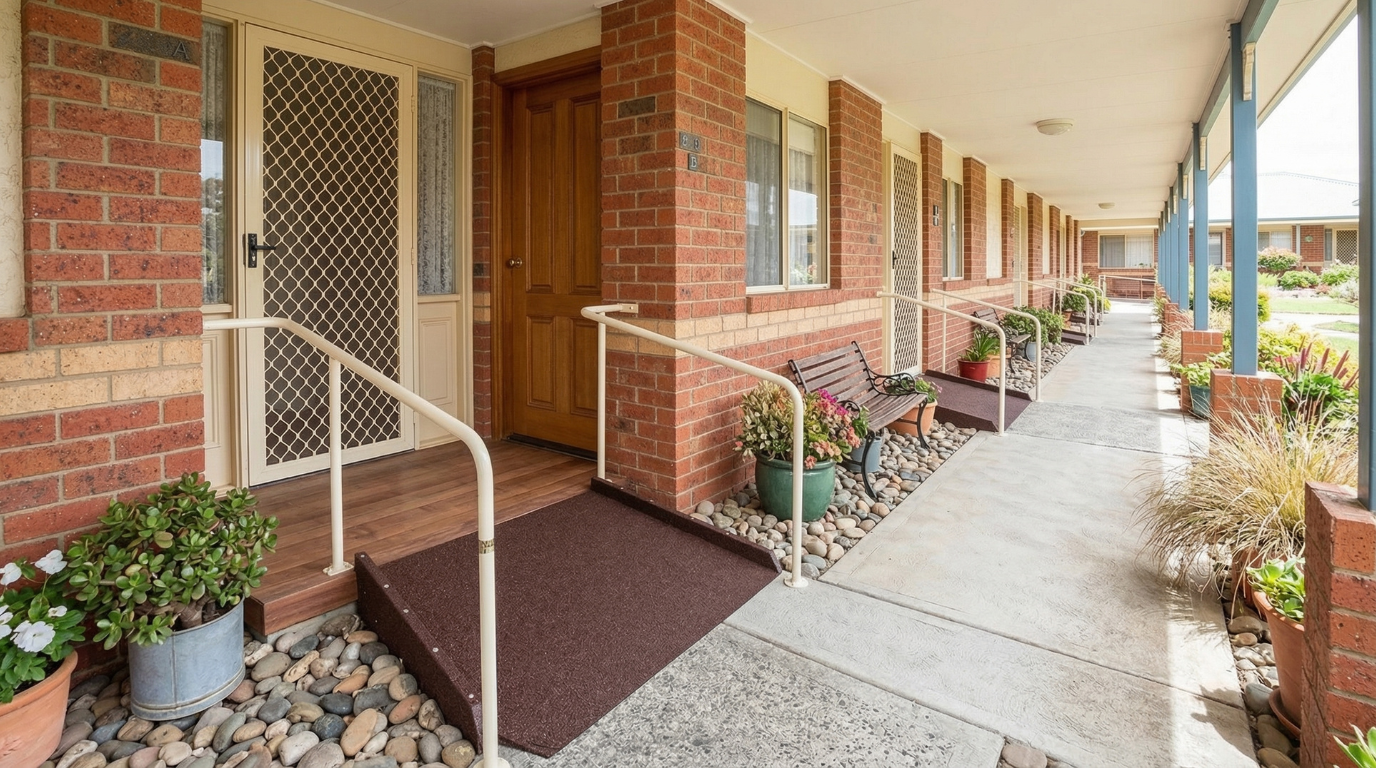
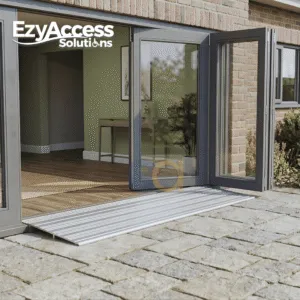
Place the custom rubber infill in the gap or next to the ramp, threshold, or step. Adjust the position so that the edges align properly with the surrounding surface and create a smooth transition.


Custom Rubber Infill

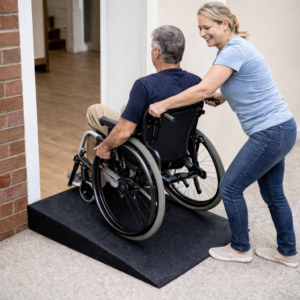
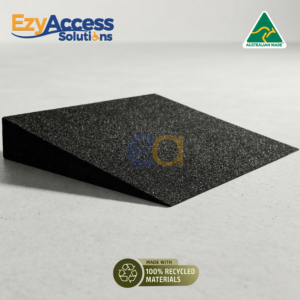
Custom Rubber Infill is a practical accessibility solution designed to fill gaps, uneven surfaces, or small height differences around entrances, door thresholds, pathways, and ramps. Made from durable recycled rubber, it creates a smooth and safe transition between different floor levels, making spaces easier to navigate for wheelchairs, walkers, mobility scooters, and pedestrians.

These rubber infill pieces are custom-cut to fit specific measurements, ensuring a perfect fit for each installation. They are commonly used alongside aluminium ramps or step modifications to remove trip hazards and improve accessibility in both residential and commercial environments. The material is strong, weather-resistant, and provides excellent grip, making it suitable for indoor and outdoor use.

One of the key advantages of custom rubber infill is its non-slip textured surface, which improves safety in wet or high-traffic areas. Installation is simple and usually requires no permanent fixing, allowing the infill to be placed quickly without structural changes. It is also low maintenance, resistant to wear, and environmentally friendly due to its recycled rubber composition.

Custom rubber infill solutions are ideal for home accessibility upgrades, disability modifications, aged care environments, and public buildings, providing a cost-effective way to create safer and more accessible spaces.

Customization Options

Another benefit of custom rubber infill is its low maintenance requirements. The material does not rust, rot, or corrode, and it can be easily cleaned with water or a mild detergent. This makes it a reliable long-term solution for accessibility improvements.

Custom rubber infill is widely used in home accessibility modifications, disability support housing, aged care facilities, hospitals, schools, offices, and public buildings. It is also a cost-effective option compared to structural modifications, allowing property owners to quickly improve safety and accessibility without major construction work.

.

Key Benefits

  • Smooth transition between ramps, steps, and surfaces

  • Reduces trip hazards and improves safety

  • Custom cut for precise fitting

  • Durable recycled rubber material

  • Non-slip textured surface for better grip

  • Suitable for indoor and outdoor use

  • Quick installation with minimal tools

  • Low maintenance and long lifespan

Typical Applications

  • Door thresholds and entrances

  • Step and ramp transitions

  • Garage and driveway access

  • Wheelchair access points

  • Pathways and patio areas

  • Commercial and public building access

.

Maintenance

Maintenance is simple—regular cleaning with water or mild detergent is usually enough to keep the surface safe and functional.


Projects & Ideas

Similar Products

OUR SERVICES

Here's what we can do

At Ezy Access Solutions, we provide reliable and high-quality accessibility solutions designed to improve mobility, safety, and independence. Our services are tailored to meet the needs of homes, businesses, and care providers, ensuring that every space is easier and safer to access.
Frequently Asked Questions – Custom Rubber Infills

What is Custom Rubber Infill used for?

Custom Rubber Infill is used to fill gaps, uneven surfaces, and small height differences around ramps, door thresholds, steps, and pathways. It creates a smooth transition that improves safety and accessibility for wheelchairs, walkers, mobility scooters, and pedestrians.

What material is the rubber infill made from?

Custom rubber infill is typically made from high-density recycled rubber, which is durable, flexible, and designed to withstand heavy foot traffic and outdoor conditions.


Can Custom Rubber Infill be used outdoors?

Yes, rubber infill is suitable for both indoor and outdoor use. The material is weather-resistant and can handle exposure to rain, sunlight, and temperature changes.


Is the surface slip-resistant?

Yes, the rubber infill features a textured non-slip surface that improves grip and reduces the risk of slipping, even in wet conditions.


. Does the rubber infill require permanent installation?

In most cases, no permanent fixing is required. The weight and natural grip of the rubber keep it securely in place. However, adhesive or fixings can be used for permanent installations if needed.


Satisfied Clients

We specialise in designing and building safe, functional, and NDIS-compliant spaces that help people live comfortably and independently at home.

Newsletter Section